
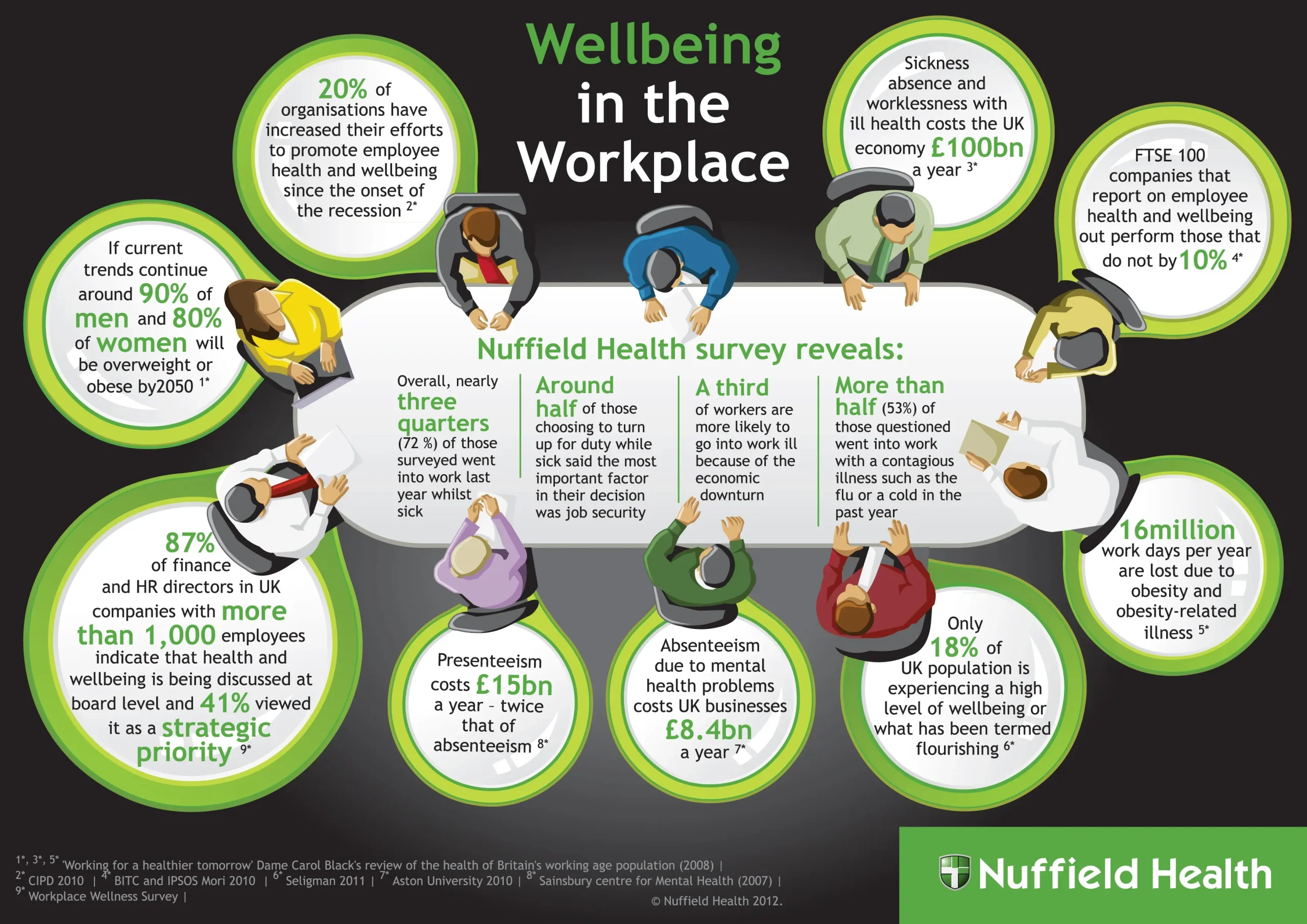
Wellness at Work is not just a trend; it’s a strategic approach to shaping healthier, more productive workplaces, where safety, energy, and purpose align with daily tasks and long-term goals. When organizations prioritize employee well-being, engagement rises, turnover drops, and outcomes improve across teams and functions, from frontline staff to leadership. In this article, we’ll explore practical, evidence-based steps that support physical health, nurture a supportive mental climate, and cultivate a culture that sustains healthier habits over time through policies, technology, and everyday routines. Starting with simple, measurable changes—such as ergonomic considerations, regular movement breaks, and mindful nutrition—can compound into lasting improvements in focus, collaboration, morale, and the ability to deliver consistent results. By weaving wellness into daily routines, teams build a supported culture where healthier choices become standard practice, reinforcing a competitive edge while protecting people from burnout and fatigue.
Viewed through different lenses, the topic can be framed as a workplace health strategy that aligns people, processes, and performance within a broader organizational mission. Other terms like employee vitality, a healthy work culture, and sustainable energy management capture the same aim from adjacent semantic fields. Organizations invest in wellness programs, ergonomic design, and supportive leadership to create conditions where people can perform at their best. By adopting these LSI-friendly terms, guides and content can resonate with a wider audience while preserving a clear focus on health in the workplace.
Wellness at Work: Building an Ergonomic Workspace and Healthy Office Habits through Workplace Wellness Programs
Wellness at Work is more than a trend—it’s a strategic approach that starts with an ergonomic workspace and the cultivation of healthy office habits. When desks, chairs, monitors, and seating arrangements are adjustable and thoughtfully organized, employees experience less fatigue and fewer discomfort-related distractions. This foundation supports employee well-being and enables teams to sustain higher levels of focus and collaboration, which are amplified by workplace wellness programs that reinforce healthy routines throughout the day.
By integrating ergonomic setup with practical wellness initiatives, organizations create a continuum from physical health to daily habits. A comprehensive program might include ergonomic assessments, sit-stand options, visual posture guides, movement prompts, and accessible hydration and nutrition resources. These elements promote a healthier day-to-day rhythm, advancing employee well-being while embedding healthy office habits into the fabric of work life.
Wellness at Work in Action: Practical Steps to Support Physical Health, Movement, and Nutrition
Practical action under this subheading centers on turning principles into daily practice. Implementing short movement breaks, desk-side stretches, and walking meetings helps re-energize the brain and improve circulation. Access to clean water, healthy snacks, and mindful eating tips sustains steady energy, supporting both physical health and mental clarity. When these actions are aligned with ergonomic workspace improvements, the result is a more productive, engaged workforce.
Organizations can accelerate adoption by scheduling regular check-ins, providing quick guides on posture and setup, and encouraging teams to choose activity-friendly meeting formats. This approach reinforces healthy office habits while advancing employee well-being, reducing strain, and increasing sustainability of performance over time. Through clear incentives, leadership modeling, and simple, scalable changes, wellness at work becomes an enduring part of daily operations.
Measuring the Impact of Workplace Wellness Programs on Employee Well-being and Productivity
To ensure lasting value, organizations should embed measurement into their wellness strategy. Tracking metrics related to employee well-being, physical health improvements, and participation in ergonomic upgrades helps demonstrate the impact of workplace wellness programs. By correlating absenteeism, presenteeism, and engagement with wellness initiatives, leaders gain insight into how physical health and mental health at work contribute to performance and customer outcomes.
Regular pulse surveys, usage data for mental health resources, and feedback on accessibility and inclusivity provide actionable signals for iteration. This data-driven approach supports a culture that values healthy office habits and continuous improvement, ensuring programs remain relevant and aligned with business goals while driving stronger employee well-being across teams.
Creating an Inclusive, Accessible Wellness Culture that Everyone Can Benefit From
A truly effective wellness strategy is accessible to all employees, including those with disabilities or diverse needs. By designing programs that accommodate different physical requirements and languages, organizations strengthen employee well-being and reinforce a culture of care. Inclusive wellness initiatives encourage participation, reduce stigma around mental health at work, and align with broader workplace wellness programs.
Soliciting broad-based feedback and adapting offerings based on diverse perspectives helps sustain momentum. When wellness remains a shared priority, healthy office habits become a natural part of organizational life, and employees feel supported in their pursuit of balanced work rhythms, safety, and long-term health.
Sustaining Momentum: Leadership, Communication, and Continuous Improvement in Wellness at Work
Sustaining momentum requires ongoing leadership commitment and clear communication about wellness goals. Leaders modeling healthy behaviors and openly discussing stress management set the tone for a culture where employee well-being is prioritized. Regular updates on available mental health resources and wellness activities help normalize help-seeking and reinforce the value of workplace wellness programs.
Continuous improvement hinges on transparent metrics, feedback loops, and flexible participation options. By measuring utilization, satisfaction, and business outcomes, organizations can refine programs to better support ergonomic workspace needs, healthy office habits, and mental health at work, ensuring wellness efforts remain aligned with evolving workforce demographics and organizational objectives.
Conclusion: A Holistic, Lasting Approach to Wellbeing in the Workplace
A holistic wellness strategy integrates physical health, mental health at work, and inclusive culture into daily operations. By prioritizing ergonomic design, movement, nutrition, and accessible mental health resources, organizations unlock higher engagement and collaboration while sustaining performance over time. This comprehensive approach, supported by workplace wellness programs, translates into tangible business outcomes and a healthier, more resilient workforce.
Embracing Wellness at Work as a strategic, ongoing practice enables continuous adaptation and improvement. Start with essential assessments, implement a few high-impact changes, and iterate based on feedback and data. When healthy office habits, employee well-being, and accessible wellness initiatives are woven into daily life, organizations create a thriving environment where people and performance grow together.
Frequently Asked Questions
What is Wellness at Work and how can an ergonomic workspace support employee well-being and productivity?
Wellness at Work is a strategic approach to shaping healthier, more productive workplaces. By combining ergonomic workspace design with a focus on employee well-being, organizations can boost engagement, reduce fatigue, and improve performance. Practical steps include: conducting ergonomic assessments and providing adjustable chairs and monitor stands; offering sit-stand desks; encouraging movement breaks and walking meetings; ensuring hydration and sensible meal options; and creating quiet, focused zones. Start with 2–3 high-impact changes and measure impact over time to sustain improvements.
What are effective workplace wellness programs that foster mental health at work and healthy office habits?
Effective workplace wellness programs prioritize mental health at work and cultivate healthy office habits by treating well-being as a business strategy. Begin with a needs assessment to identify pain points and preferred activities; pick 2–3 high-impact initiatives (ergonomic upgrades, hydration stations, and a mental health resource hub); align with HR and facilities; offer flexible participation and incentives; communicate clearly; and track metrics like engagement, absenteeism, and perceived stress. Ensure accessibility and inclusivity so all employees can participate. Regular feedback drives iteration and ROI.
| Pillar | Description | Practical Actions |
|---|---|---|
| Physical health and ergonomics | An ergonomic workspace reduces the risk of injury and fatigue, enabling longer, more productive work sessions. |
|
| Movement and broken-routine habits | Regular movement—short walks, stretch breaks, or desk-side exercises—re-energizes the brain and improves circulation. |
|
| Nutrition and hydration | Access to water, healthy snacks, and mindful eating practices supports steady energy levels and focus. |
|
| Mental health and workplace culture | A culture that reduces stigma around stress and supports mental health enables teams to speak up and maintain sustainable work rhythms. |
|
| Sleep, energy, and work pace | Educating teams about sleep quality, sunlight exposure, and reasonable pacing helps prevent burnout and sustains long-term performance. |
|
| Accessibility and inclusivity | Wellness at Work should be accessible to all employees, including those with disabilities or diverse needs. |
|
Summary
Conclusion: Wellness at Work is a practical, people-centered approach to creating a healthier office environment. By prioritizing ergonomic setups, movement, nutrition, mental health, and inclusive culture, organizations can unlock higher engagement, better collaboration, and lasting outcomes. Start with a simple assessment, implement a few high-impact changes, and iterate based on feedback and data. When wellness is woven into daily work life, employee well-being thrives, and so does organizational performance.