
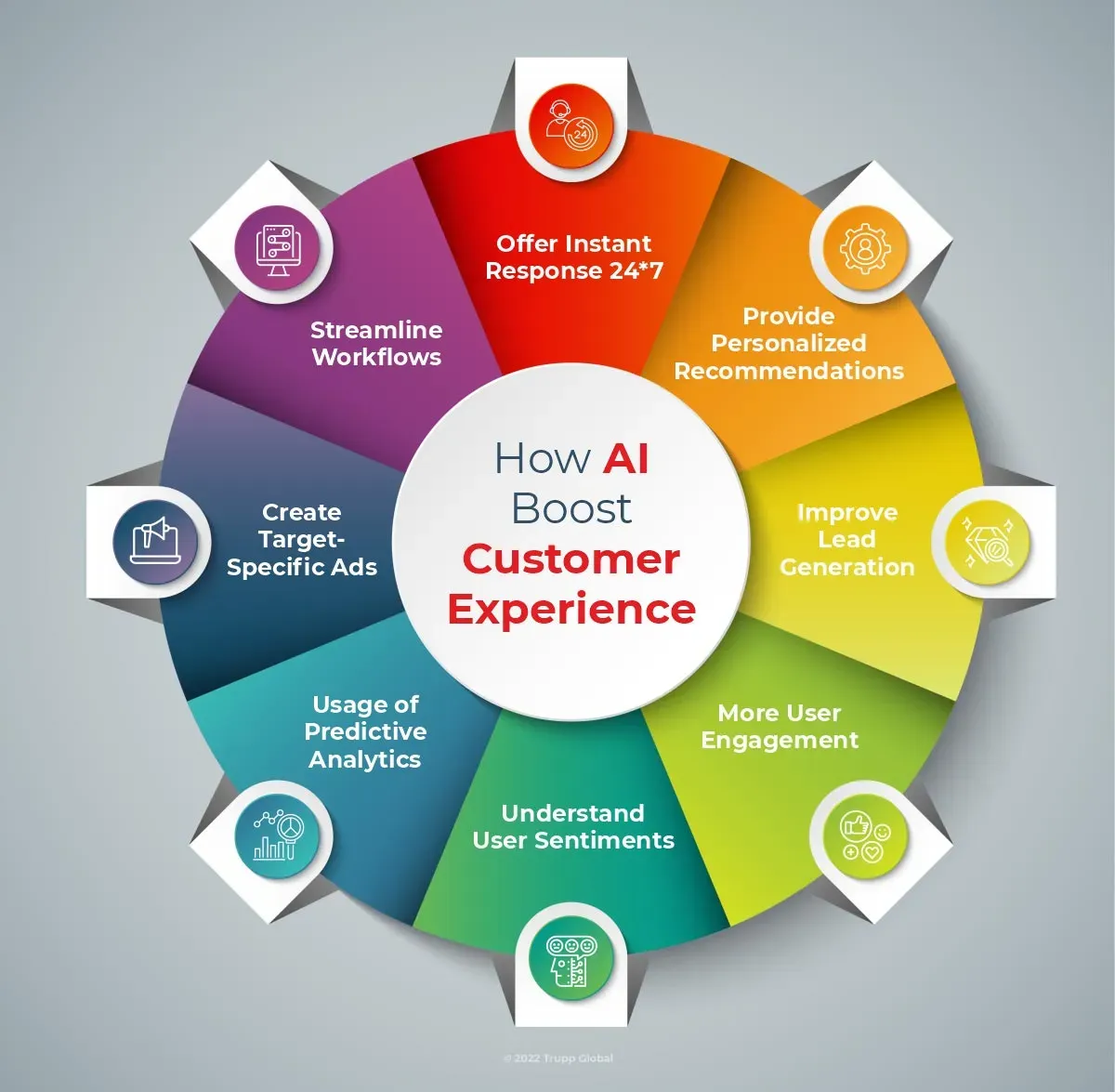
Technology’s impact on customer experience is redefining how brands connect with people across every touchpoint. From mobile apps and chatbots to CRM analytics, AI in customer service, and other digital tools, modern systems shape faster responses, more relevant insights, and a human-centered service ethos. By weaving these capabilities into the customer journey, organizations can reinforce trust, boost customer experience, and cultivate customer loyalty. Personalization in CX becomes practical when data is organized, consent-based, and used to deliver timely, relevant interactions. A strategic focus on omnichannel experience ensures consistent, context-rich moments that turn first-time buyers into brand advocates.
Viewed through a broader lens, digital tools and data illuminate how brands shape customer journeys beyond a single channel. AI-powered insights, automated assistants, and omnichannel orchestration work together to create seamless interactions and smarter decisions. By focusing on journey design, real-time context, and respectful personalization, organizations can strengthen trust and long-term loyalty. In this semantic framing, the goal stays the same: deliver consistent value across touchpoints while respecting privacy and enabling meaningful connections.
Technology’s impact on customer experience: AI, personalization, and omnichannel strategies shaping loyalty
Technology’s impact on customer experience has moved from behind‑the-scenes operations to the front line of engagement. AI in customer service, machine learning, and data analytics empower brands to respond with speed and relevance. Customers benefit from chatbots that resolve routine questions, predictive routing that connects queries to the right agent, and contextual recommendations that align with their history. This is not merely about faster replies; it’s about a humanized experience powered by data that strengthens the overall customer experience and lays the groundwork for greater customer loyalty. The omnichannel experience becomes a seamless continuum rather than a collection of discrete channels.
To sustain this transformation, organizations must build a unified data foundation that captures signals from mobile apps, websites, social channels, and physical stores. Real-time decisioning enables precise offers at the moment of interest, enhancing customer experience and driving loyalty. However, governance, privacy safeguards, and transparent value exchange are essential so customers feel in control of their data. When personalization in CX is paired with responsible AI and a consistent brand voice, customers perceive a tailored journey across channels, reinforcing trust and long-term loyalty.
Creating an omnichannel experience that boosts customer loyalty through AI in customer service and personalization in CX
An omnichannel experience connects digital and physical touchpoints so journeys feel seamless. Technology synchronizes context, history, and preferences across apps, websites, contact centers, and stores, enabling customers to switch channels without repeating steps. AI in customer service powers proactive assistance, sentiment-aware routing, and agent‑assist tools, ensuring support remains efficient while preserving a human touch. For customer experience, this means fewer friction points and more consistent service, which translates into stronger customer loyalty.
Measuring impact is essential to understand how tech investments translate into loyalty and lifetime value. CSAT, NPS, and customer effort scores, combined with behavioral metrics like repeat purchases and average lifetime value, reveal how an integrated approach moves loyalty forward. By emphasizing personalization in CX while upholding privacy and governance, organizations can deliver a seamless experience that resonates with customers and reinforces loyalty across every touchpoint.
Frequently Asked Questions
How does Technology’s impact on customer experience drive customer loyalty in an omnichannel world?
Technology’s impact on customer experience reshapes loyalty by unifying data across channels, enabling real-time personalization, and accelerating AI-powered support. A well-integrated tech stack supports an omnichannel experience where customers move seamlessly between mobile, web, chat, and in-store with full context. AI in customer service handles routine inquiries quickly, while agent tools surface relevant history and suggested responses, boosting first-contact resolution and satisfaction. Personalization in CX tailors recommendations, content, and support tone to individual preferences, strengthening emotional connections and repeat business. Key metrics to monitor include CSAT, NPS, repeat purchase rate, churn, and lifetime value, all linked to specific technologies and practices.
What practical strategies maximize Technology’s impact on customer experience to boost loyalty?
Practical strategies focus on leveraging AI in customer service and personalization in CX within a seamless omnichannel experience. Start with a unified, privacy-aware data strategy to enable true personalization in CX. Use AI in customer service for routine tasks while preserving a human touch for complex issues. Invest in an omnichannel platform that syncs context and history across channels. Implement consent-based personalization and dynamic content to improve relevance. Measure success with CSAT, NPS, loyalty metrics, and business outcomes like lifetime value, and continuously test and refine experiences. Ensure accessibility and inclusive design so technology enhances loyalty for every customer.
| Aspect | Key Points |
|---|---|
| The evolving role of technology in CX | Technology sits at the center of experience design, leveraging AI, data analytics, and a unified data stack to deliver faster, more relevant, and more human-like interactions across touchpoints. |
| Multi-channel journeys and unified data | Modern journeys are multi-channel; unified data platforms create a single view enabling real-time decisions and cohesive omnichannel experiences. |
| Personalization in CX | Data, analytics, and predictive modeling enable anticipatory offers, tailored content, and adaptive support; requires governance and privacy safeguards. |
| AI in customer service and agent assist | Chatbots, virtual assistants, and sentiment analysis power faster resolution and agent-assisted support; increases consistency and reduces handling time while maintaining a human touch. |
| Omnichannel experience | Seamless transitions across channels with synchronized data and context; lowers friction and strengthens loyalty by delivering a continuous journey. |
| Measuring impact and value | Metrics such as CSAT, NPS, CES, repeat purchase rate, CLV, churn, and first contact resolution are tracked to link technology investments to improved CX and loyalty. |
| Practical strategies | Customer-centric data strategy; consent-based personalization; thoughtful AI use; omnichannel investments; aligned metrics; continuous improvement; accessibility and inclusion. |
| Challenges and considerations | Privacy, over-automation, AI bias, legacy-system integration; governance and risk management; ongoing staff training and balance between automation and human empathy. |
Summary
Technology’s impact on customer experience is best understood through how modern tools unify data, automate insights, and personalize journeys across channels. The evolving role of technology places AI, analytics, and integrated platforms at the heart of CX, enabling seamless omnichannel experiences and more relevant interactions. By measuring the right metrics and applying practical strategies, organizations can enhance loyalty and create durable customer relationships.