
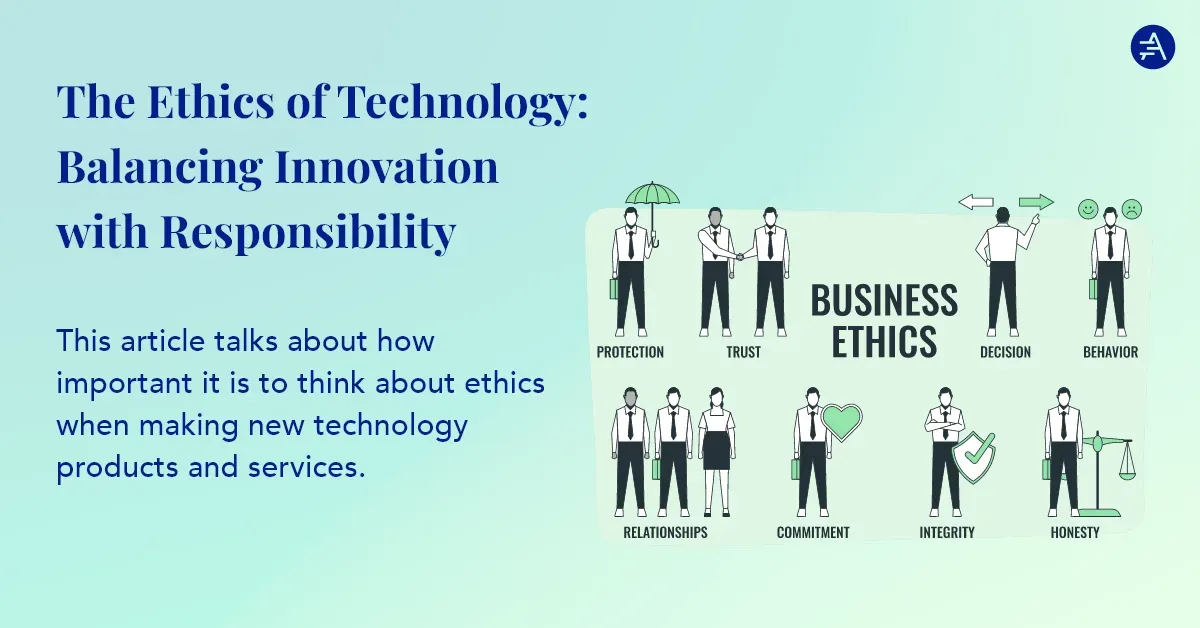
Technology Ethics in Practice is redefining how products and services are designed, deployed, and governed in today’s fast-moving digital landscape, where every decision can affect user trust, safety, and societal impact. As teams design at speed, they treat privacy in technology and algorithmic bias as core constraints rather than afterthought considerations. This introduction demonstrates how governance, transparency, and accountability translate high-level ethical commitments into concrete actions, from accountability frameworks to codified responsible AI practices. Practical steps—from privacy by design to rigorous bias testing and explainability—help organizations respect human rights while delivering reliable value. By embedding ethical reflection into roadmaps, product reviews, and culture, teams earn trust and resilience as technology increasingly mediates daily life.
Viewed through the lens of practical ethics in technology, the discussion centers on how teams translate values into everyday engineering choices, from data handling to user experience. This approach uses synonyms and related concepts—responsible innovation, digital stewardship, and governance-driven design—to capture the same mission from different angles. It also emphasizes the social license to operate: transparency, fairness, and redress mechanisms that help products earn public trust. By framing the topic with closely related terms such as data governance, user autonomy, and transparent reporting, readers connect with the core ideas even if phrasing shifts.
Technology Ethics in Practice: Translating Privacy in Technology, Algorithmic Bias Mitigation, and Tech Accountability into Action
Converting ethical principles into everyday design requires embedding privacy in technology at every stage—from product discovery to deployment. By prioritizing data minimization, explicit purposes, and user control, teams curb unnecessary data collection and strengthen data ethics and privacy. Aligning policy with practice also means implementing clear consent mechanisms, transparent data handling, and robust access controls to support tech accountability and avoid overreach in automated decision making.
Effective governance turns principles into measurable outcomes. Establish cross-functional ethics boards, regular bias testing, and independent audits to monitor algorithmic bias and explainability. Transparent reporting of model assumptions, performance across demographics, and remediation actions reinforces ethical AI practices and demonstrates accountability to users and regulators.
Practical Frameworks for Data Ethics and Privacy and Ethical AI Practices Within a Culture of Accountability
To operationalize Ethics in Technology, start with threat modeling that explicitly considers privacy, bias, and accountability risks across the data lifecycle. Implement data retention limits, secure deletion, and rigorous access controls, then maintain auditable logs that trace decisions to data sources and training procedures. Consider external bias reviews to provide objective assurance and build trust in data ethics and privacy.
Beyond technical controls, cultivate a culture of accountability through governance, training, and transparent communication. Publish regular impact and risk reports, tie ethical performance to incentives, and invite input from users, regulators, and civil society. When organizations treat privacy in technology, algorithmic bias, and accountability as core metrics—i.e., ethical AI practices—the result is safer, fairer, and more trusted digital products.
Frequently Asked Questions
What is Technology Ethics in Practice, and how does it translate privacy in technology into actionable, real-world design decisions?
Technology Ethics in Practice is the practical discipline of embedding ethical reasoning into the design, deployment, and governance of digital systems. In practice it strengthens privacy in technology by applying privacy-by-design, data minimization, clear user consent, and transparent data handling. It also requires governance, risk assessments, and auditable processes to ensure accountability and trust. By translating principles into concrete actions such as restricted data collection, secure storage, and explainable decisions, organizations uphold data ethics and privacy while delivering value.
What practical steps does Technology Ethics in Practice recommend to mitigate algorithmic bias and ensure tech accountability?
Technology Ethics in Practice recommends turning ethics into action through a practical framework that begins with risk-aware threat modeling for privacy, bias, and accountability. It calls for diverse data practices and inclusive design to reduce algorithmic bias, followed by rigorous fairness testing, performance monitoring across user groups, and ongoing audits. It also emphasizes explainability and user agency, offering clear explanations of automated decisions and paths for appeals or human review. Finally, it requires governance and external reviews, transparent reporting, and redress mechanisms to ensure tech accountability and maintain public trust.
| Key Point | Focus Area | Practical Takeaways |
|---|---|---|
| Privacy | Foundational to trust; privacy-by-design; data minimization; explicit purposes; user control; transparent data handling; clear consent mechanisms | Embed privacy by design; minimize data collection; implement granular, revocable consent; transparent data handling; secure storage |
| Algorithmic Bias | Bias risk in automated decisions from data, modeling, or evaluation; effect on opportunities; need for fairness | Diverse data practices; inclusive design; rigorous bias testing; fairness metrics; ongoing audits; transparent reporting |
| Accountability | Identifying who is answerable; governance, audit trails, and redress; learning from mistakes to maintain trust | Trace decisions to data sources and human inputs; independent audits; redress pathways; responsible disclosure; regulatory collaboration |
| Ethics in Practice Frameworks | Translate high-level principles into actionable governance and culture; core elements that help teams act on ethics | Establish ethics governance board; integrate privacy-by-design; bias prevention lanes; explainability and user agency; measure outcomes; invest in culture |
| Policy & Standards | Regulations and voluntary standards; cross-industry collaboration; evolving norms | Advocate for clear regulations; participate in standards; stay engaged with policy developments; adopt adaptable platforms |
| Practical Implementation & Monitoring | Threat modeling and checklists; data lifecycle management; auditable logs; third-party reviews | Incorporate threat modeling for privacy, bias, and accountability; enforce retention limits; maintain auditable logs; consider external bias reviews |
| Real-world Examples | Case studies illustrate ethical practice under pressure and its impact on trust and outcomes | Fintech bias audit leading to more equitable lending; privacy governance improvements; transparency reports; user appeal channels |
| Role of Policymakers & Standards | Regulatory frameworks and industry coalitions shape responsible innovation | Support for voluntary standards; collaboration across sectors; continuous learning and adaptation |
| Outcome & Culture | Ethics embedded in governance, product development, and operations; culture matters as much as metrics | Reward ethical decision-making; integrate ethics into performance reviews; foster continuous improvement |
Summary
Technology Ethics in Practice is a continuous journey that requires ongoing attention, collaboration, and discipline. By prioritizing privacy, actively mitigating algorithmic bias, and strengthening accountability, organizations can deliver innovations that respect users, promote fairness, and withstand scrutiny. The practical steps—from governance structures and privacy-by-design to bias audits and explainability—provide a roadmap for teams turning ethical principles into measurable, real-world impact. Technology Ethics in Practice connects technical capability with human values, nurturing trust, safeguarding rights, and enabling responsible innovation in a complex digital landscape.