
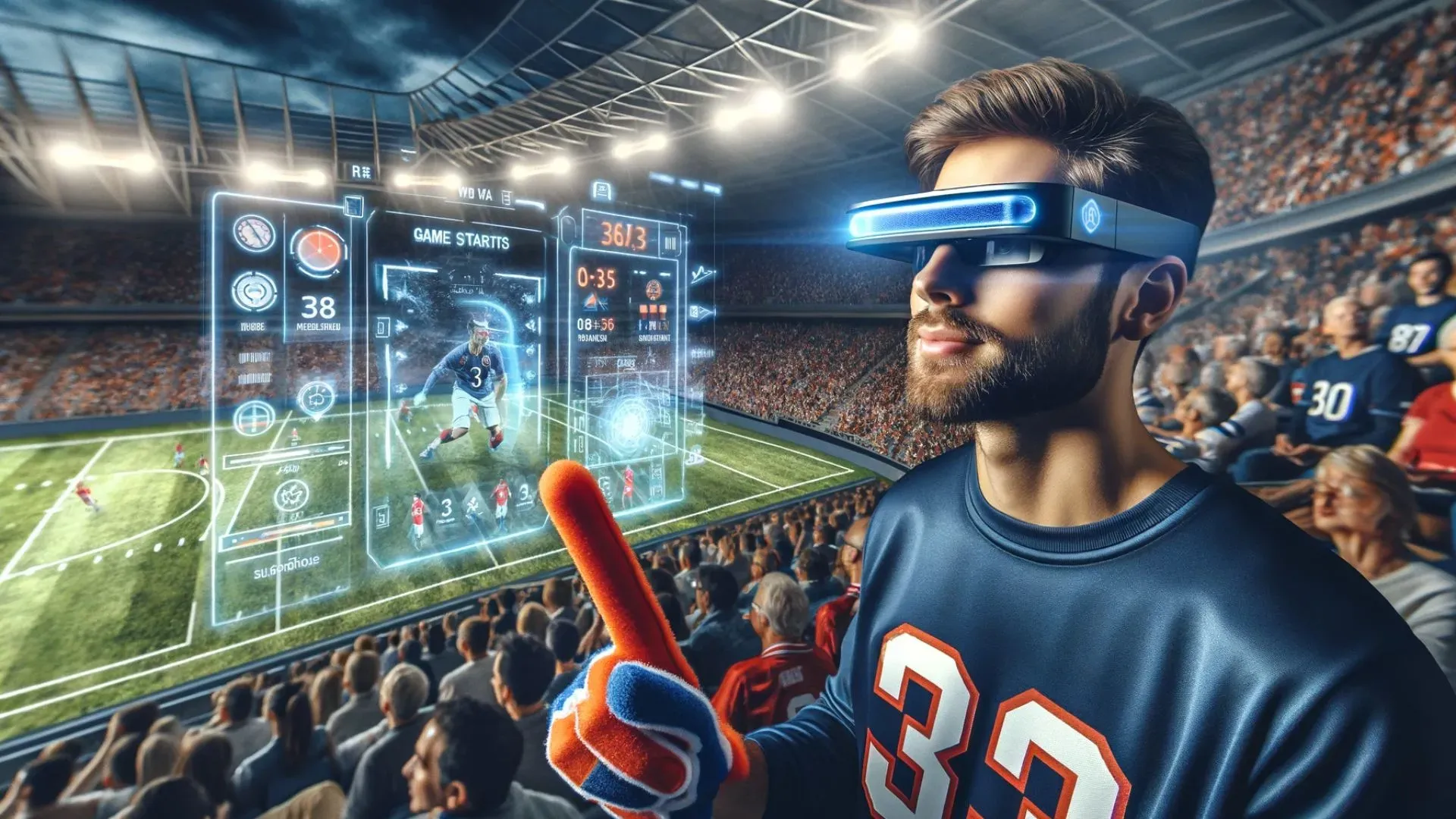
Sports Tech Innovations are redefining every facet of sport, from elite training rooms to stadiums buzzing with connected devices. This convergence of data, sensors, immersive tech, and connectivity is not just making athletes faster or stronger; it is changing how coaches make decisions, how teams prepare for competition, and how fans experience games. In this introductory overview, we highlight the core areas where technology reshapes the game, explain why these innovations matter, and offer practical guidance for teams, leagues, and individuals looking to harness the power of advanced sports technology. You will see how AI in sports, wearable technology in sports, data analytics in sports, virtual reality training, and smart stadium tech come together under a unified umbrella to create safer, smarter, and more engaging athletic environments. This evolving toolkit is not a collection of gadgets but a strategic framework that guides day-to-day decision-making, performance planning, and fan experience for teams around the world.
Beyond the headline term, the landscape can be described as cutting-edge sports technology and data-driven athletic optimization. A connected ecosystem of athlete monitoring tools, biomechanics data, and predictive insights informs coaching decisions, injury prevention, and recovery planning. Immersive training platforms, AI-assisted coaching dashboards, and sensor networks support practice design, load management, and performance progression. IoT-enabled venues and fan engagement systems illustrate how digital infrastructure enhances the game-day experience, while privacy and accessibility considerations shape responsible adoption. This approach aligns with Latent Semantic Indexing (LSI) principles by linking related concepts without overusing exact phrases, ensuring the topic remains cohesive and discoverable.
Sports Tech Innovations in Action: AI in Sports, Wearable Technology, and Data Analytics
Across pro leagues and emerging programs, AI in sports, wearable technology in sports, and data analytics in sports are turning streams of sensor data into actionable insights in real time. Motion analysis, biomechanics, and contextual performance metrics feed dashboards that coaches can read at a glance, informing training and strategy decisions.
Wearable technology in sports continues to expand the granularity of monitoring—from joint angles and stride mechanics to recovery status and exposure history—enabling personalized training loads while helping reduce injury risk. Data analytics in sports then stitches these individual signals into team-wide patterns, supporting smarter load management and evidence-based rehabilitation.
Virtual Reality Training, Smart Stadium Tech, and Sports Tech Innovations: Elevating Performance and Fan Experience
Virtual reality training and sports tech innovations together redefine practice by delivering immersive game-like scenarios that sharpen decision-making and technique without the physical wear of on-field repetitions. VR training supports cognitive skill development, accelerates motor learning, and provides objective metrics to track progress as coaches tailor drills to each athlete.
Smart stadium tech brings the data-driven mindset to the arena, using IoT sensors and connected devices to optimize crowd flow, safety, and fan engagement. Players and staff benefit from coordinated warm-ups and on-field operations, while fans enjoy personalized content and AR-enhanced experiences, all under the umbrella of Sports Tech Innovations that tie together AI in sports, data analytics in sports, and wearable tech with virtual reality training and smart stadium capabilities.
Frequently Asked Questions
In the context of Sports Tech Innovations, how is AI in sports used to drive performance insights?
AI in sports models analyze motion, physiology, and context to identify inefficiencies, predict fatigue, and optimize training dosage. Through data analytics in sports dashboards, teams see actionable metrics like heat maps and sprint-vs-acceleration comparisons that inform load management and rehabilitation, while keeping human judgment central and the outputs transparent.
Within Sports Tech Innovations, what benefits does wearable technology in sports provide for training optimization and athlete safety?
Wearable technology in sports captures biomechanical data such as joint angles, stride mechanics, and recovery signals to tailor training load and reduce injury risk. Data analytics in sports turns sensor readings into practical training plans, with governance and privacy considerations ensuring responsible use. The broader ecosystem also includes virtual reality training and smart stadium tech as complementary tools that enhance practice and game-day insights.
| Area | Key Points | Notes / Examples |
|---|---|---|
| AI in sports | Turns data into actionable performance insights; enables real-time dashboards; supports load management and injury risk reduction; augments rather than replaces human judgment. | Analyzes motion, physiology, context, and biomechanics to guide coaching and medical decisions; dashboards distill complex data into clear metrics. |
| Wearable technology | Tracks effort, technique, and recovery with biomechanical data; enables personalized training and safer practices; raises privacy/consent considerations. | Measures joint angles, stride, ground contact, impact forces; supports governance and transparent use cases. |
| Data analytics in sports | Ingests video, sensor, biometric, and contextual data to generate insights; links practice, competition, and recovery; supports talent and fan analytics. | Builds pipelines to clean, model, and answer questions about performance, readiness, and strategy. |
| Virtual reality training | Provides immersive, safe practice for skills, decision-making, and cognitive training; supports team rehearsals and return-from-injury programs. | VR simulates game scenarios with multiple perspectives; complements on-field work but isn’t a full substitute for live play. |
| Smart stadium tech | Enhances fan experience and operations via IoT, dynamic seating, personalized guides, and safety signaling. | Improves warm-ups, lighting, climate control, access, and real-time notifications; emphasizes data governance and user privacy. |
| Challenges and considerations | Ethics, privacy, accessibility, data ownership and governance; reliability and calibration of sensors/software; need for interpretable insights and phased pilots. | Implement phased pilots, measure ROI, and ensure equitable access and transparent data practices. |
| Practical takeaways | Start with high-impact, value-driven goals; involve coaches, medical staff, players, and IT; aim for interoperable solutions and scalable adoption. | Translate metrics into real-time, actionable insights; avoid tech-for-tech’s-sake; invest in education, change management, and data storytelling. |
Summary
HTML table above summarizes key points from the base content related to Sports Tech Innovations.