
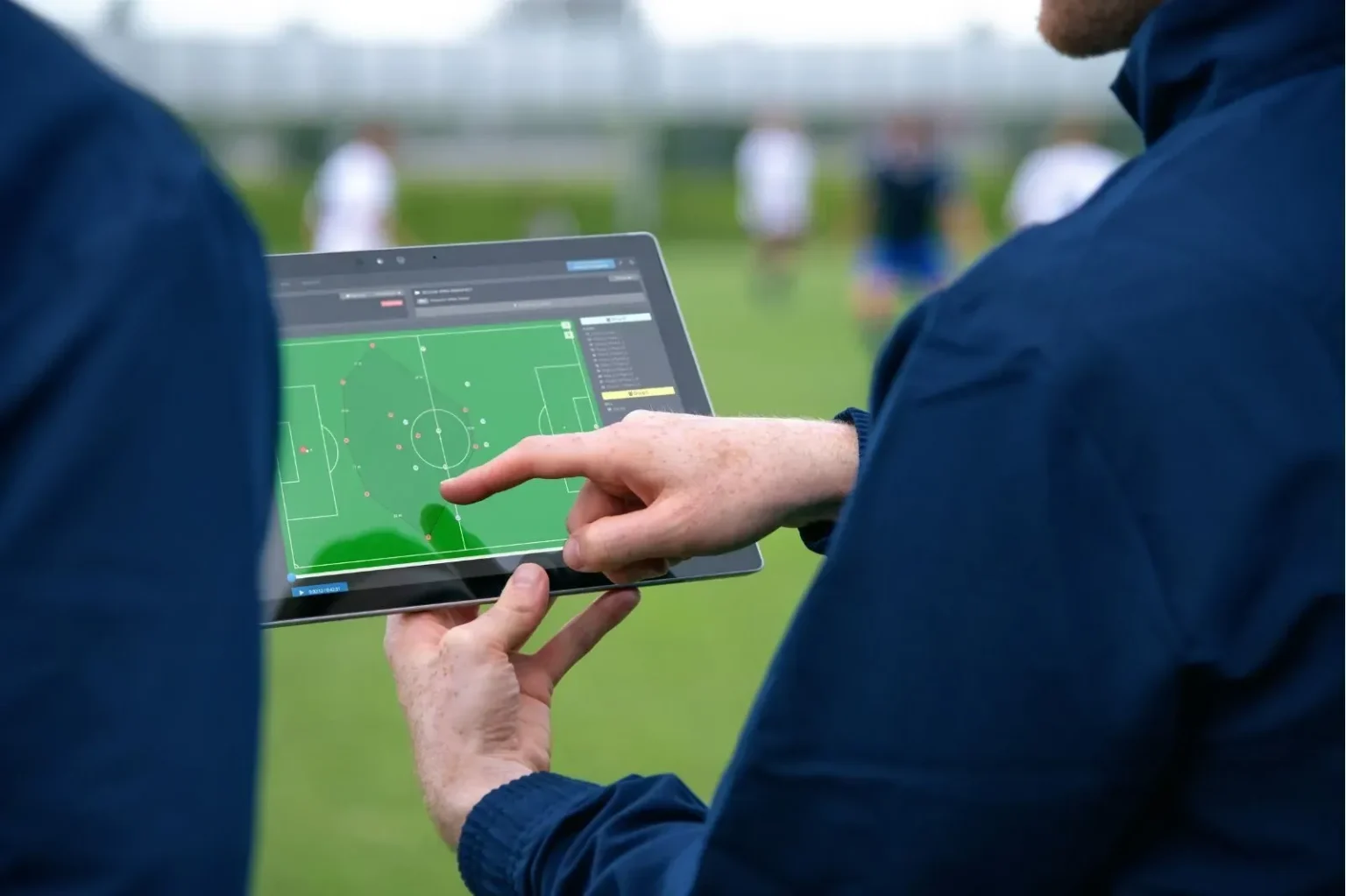
Sports Analytics has evolved from a niche curiosity into a strategic discipline that informs decision-making across front offices, coaching staff, medical teams, and even the stands, reshaping how organizations think about risk, opportunity, and value in the modern game, while provoking new conversations about fairness, transparency, and the role of data in competitive culture. As teams collect terabytes of event data, tracking metrics, biometric signals, positional context, and video-derived context, the field translates raw numbers into stories about pace, spacing, shot quality, defensive coverage, and matchup dynamics, revealing why performances unfold as they do under pressure and how those patterns can be nudged toward better outcomes through deliberate practice, smarter rotations, and calibrated workloads. From sprint splits and fatigue indicators to rotation schedules and substitution patterns, this approach underpins data-driven decisions in sports by aligning scouting, development, and on-court tactics with measurable inputs, so decisions—whether about training plans, talent evaluation, or game theory—are grounded in evidence rather than intuition alone, while data storytelling helps executives communicate complex trade-offs to players and fans alike. The toolbox behind analytics in sports spans from machine learning on player-tracking data and wearable-derived wellness metrics to predictive models for injury risk, tactical fit, and opponent tendencies, and it enables teams to balance immediate competitiveness with long-term health, contract strategy, and player development across a full calendar of games, practice blocks, travel schedules, and rest windows. In short, this movement represents a disciplined integration of data science, domain expertise, and practical judgment, inviting stakeholders to collaborate across analytics, coaching, medical staff, performance analysts, and operations while translating nuanced insights into clear actions that improve performance, safeguard well-being, and deepen fan understanding of the game.
Viewed through the lens of data science for sport, the same ideas show up under a different banner: rigorous quantitative insight that guides coaching decisions and organizational choices. Practitioners talk about performance analytics, advanced metrics, and evidence-based practice, emphasizing how numbers, signals, and context combine to forecast outcomes, optimize training, and inform recruitment. In practice, teams build dashboards, run simulations, and test hypotheses as they seek to align talent with system design, a process that mirrors scientific inquiry in a living, high-stakes environment. From the perspective of fans and broadcasters, these insights translate into compelling narratives—whether through interactive visualizations, season forecasts, or player profiles—that illuminate why a team plays the way it does while maintaining a focus on fairness and privacy. Ultimately, the shift is toward a data-informed ecosystem where strategy, health, and performance co-evolve, supported by governance, ethics, and open communication that keeps a diverse set of voices involved in the pursuit of excellence.
Sports Analytics and Data-Driven Decisions in Sports: Transforming Strategy and Performance
Sports Analytics brings together statistics, computer science, and domain expertise to convert raw game data into actionable insights. This fusion enables data-driven decisions in sports, guiding everything from roster construction and training priorities to tactical adjustments and player development. In this lens, analytics in sports becomes a strategic language that translates numbers into meaningful actions on the court, field, or pitch, expanding beyond traditional box scores into trend analysis and scenario planning.
Core data sources such as event data, tracking data, biometric signals, and video analytics feed sophisticated models that produce performance metrics in sports and other indicators that go beyond wins and losses. Through sports data analysis, analysts derive metrics like spacing efficiency, possession quality, and transition effectiveness, turning raw streams into relevant indicators that answer concrete questions about skill, strategy, and longevity.
With real-time dashboards and prescriptive modeling, teams can adjust strategies during games and plan for the long term. This data-driven approach supports smarter, faster decisions that balance risk and reward, protect player health, and reinforce a culture of continuous improvement across coaching, management, and analytics teams.
Leveraging Performance Metrics in Sports: The Role of Analytics in Sports and Data-Driven Sports
Performance metrics in sports act as the compass for evaluating skill, efficiency, and impact. Analytics in sports translates on-court or on-field observations into measurable indicators—such as spacing efficiency, shot quality, or workload balance—providing a richer, data-backed view than traditional statistics alone. By leveraging sports data analysis, organizations can compare players and schemes across seasons and leagues, enabling more informed talent identification and strategic decisions.
Advanced methods like machine learning and computer vision enable predictive tasks—from injury risk forecasting and fatigue monitoring to optimal training loads and player-system fit. This data-driven sports approach supports evidence-based decision-making across recruitment, development, and tactical planning, while careful governance and privacy considerations ensure responsible use of biometric and performance data.
Beyond performance, these metrics empower fan engagement through real-time visuals and data-backed storytelling, helping stakeholders understand why coaches make certain calls and how teams evolve over time. The result is a more transparent, data-informed sport experience that complements the human expertise at the heart of competition.
Frequently Asked Questions
What is Sports Analytics and how does it enable data-driven decisions in sports?
Sports Analytics combines statistics, computer science, and domain expertise to extract actionable insights from data streams such as event records, tracking data, and wearable metrics. By translating these data into practical guidance, teams make data-driven decisions in sports—from player development and scouting to lineup optimization and in-game adjustments—balancing performance gains with player health.
How do performance metrics in sports and sports data analysis inform decision-making in analytics in sports?
Performance metrics in sports, derived through sports data analysis, quantify on-field value beyond traditional stats (e.g., spacing efficiency, possession quality, and player impact scores). In analytics in sports, these insights guide strategy, training, injury risk management, and game tactics, helping coaches and management optimize lineups and monitor progress.
| Aspect | Key Points |
|---|---|
| Introduction | Sports Analytics blends statistics, computer science, and domain expertise to extract actionable insights from game data; it shapes how teams, coaches, and fans interpret performance and drives the game’s evolution. |
| Evolution of Sports Analytics | From basic box scores to high-resolution data from sensors, cameras, wearables, and event-tracking; analytics evolved from descriptive to predictive and prescriptive, supporting in-game decisions and long-term planning. |
| Core Data Sources and Metrics | Event data, Tracking data, Biometric data, Video/optical data; metrics include player impact scores, spacing efficiency, possession quality, and transition effectiveness. |
| From Data to Decision | Analytics translates insights into decisions about player development, scouting, lineup optimization, and game strategy; examples include player evaluation, injury risk management, match strategy, and in-game substitutions. |
| Real-World Examples Across Sports | Basketball: spacing and pace, workloads/rest; Baseball: exit velocity/launch angle/pitch tracking; Soccer: passing networks/shot quality; Football: wearables for exertion and recovery. |
| Role of Player Tracking and Machine Learning | Granular movement data plus ML support injury forecasting, performance projection, and training-load optimization; aids in scouting by pattern recognition and better fit prediction. |
| Challenges and Limitations | Data quality and integration; context and interpretability; privacy and ethics; overreliance on metrics; implementation gaps; governance and cross-functional collaboration. |
| The Future | Real-time analytics, AI, and fan engagement; real-time dashboards during games; reinforcement learning and simulations; expanding data access shapes both performance and storytelling. |
Summary
Sports Analytics stands at the intersection of data, strategy, and human performance. By converting disparate data streams into meaningful metrics and practical decisions, teams can improve on-field and off-field outcomes while safeguarding player health and team culture. The focus on data-driven decision making, performance metrics, and sports data analysis has reshaped how organizations evaluate talent, plan training, and optimize game plans. As technology advances and data channels proliferate, the value of analytics in sports will continue to grow, helping coaches, players, and executives align around evidence-based strategies that elevate the entire game. Embracing this data-forward approach with thoughtful governance and ongoing collaboration is the best way to turn information into sustained competitive advantage for the teams of tomorrow.