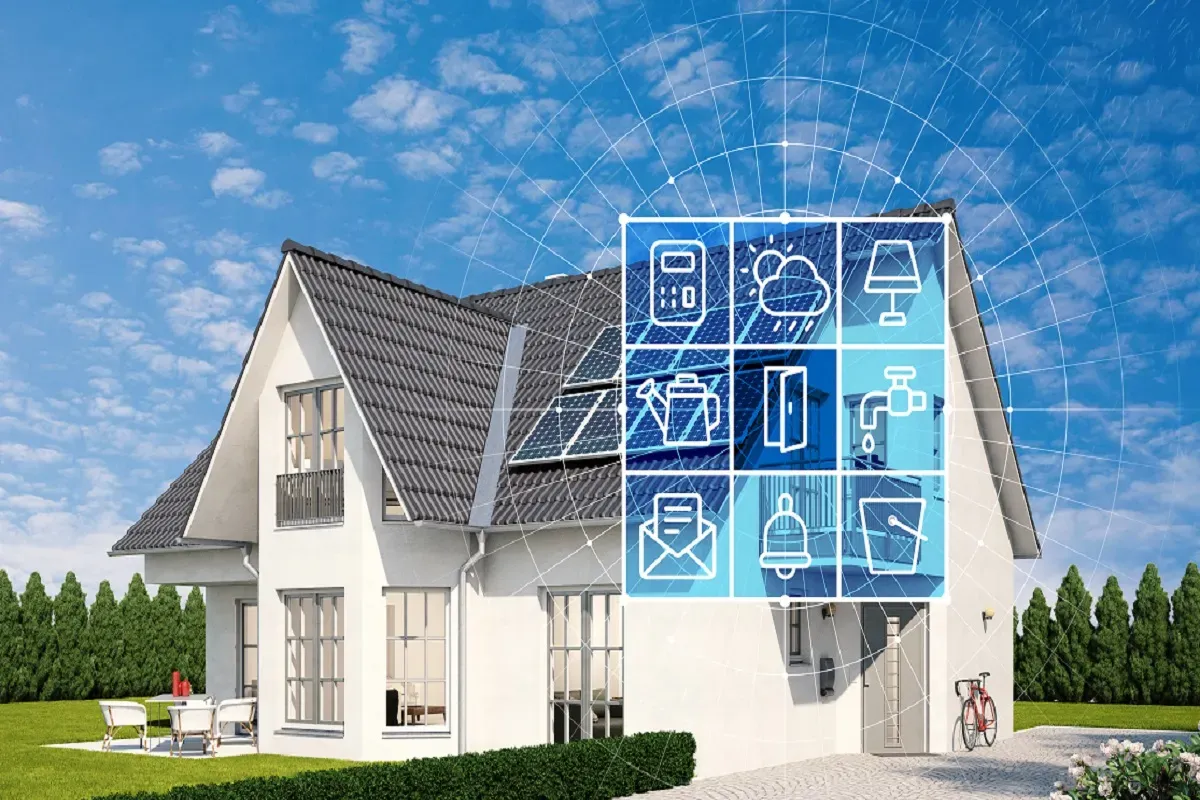
Smart Homes to Smart Cities signals a profound shift in how we live, work, and move, blending intimate comfort with urban-scale intelligence. This continuum grows from the reliability of smart home technology, where learning thermostats and adaptive lighting reduce waste and save energy. As city infrastructure mirrors these domestic patterns, IoT in smart cities connects streets, transit, and utilities into a single, data-driven nervous system. The result is not a collection of gadgets but an integrated ecosystem powered by data, connectivity, and intelligent decision-making. Viewed through an everyday lens, residents experience more predictable services, safer neighborhoods, and opportunities for sustainable living as policy and practice catch up.
Beyond the home, these ideas expand into a connected urban ecosystem where buildings, streets, and services share data to optimize daily life. Cities build a coordinated tech backbone—sensor networks, AI analytics, and edge computing—that powers smarter mobility, cleaner energy, and responsive public spaces. The focus shifts from devices to governance, interoperability, and citizen-centered design that treats data as a shared public asset. This urban digital transformation unfolds through municipal platforms that harmonize services, invite private innovation, and safeguard privacy and security.
Smart Homes to Smart Cities: A Unified Vision for Connected Living
From the micro-dimension of a learning thermostat to the macro-scale of citywide sensors, the Smart Homes to Smart Cities continuum is powered by IoT in smart cities and smart home technology. As urban digital transformation accelerates, data from homes, buildings, and streets forms a shared fabric that enables automated responses, predictive maintenance, and better quality of life.
This integration delivers resilience and efficiency beyond individual devices. With 5G/6G-enabled near-instant communication and AI-driven analytics, connected city solutions scale from single residences to neighborhoods and districts, providing safer neighborhoods, optimized energy grids, and more predictable public services for residents, businesses, and policymakers alike.
Practical Pathways for Implementing IoT in Smart Cities and Connected City Solutions
Realizing the Smart Homes to Smart Cities vision requires standardization, interoperability, and scalable infrastructure. IoT in smart cities depends on open APIs, common data formats, and robust data governance that align incentives across residents, utilities, and local governments, ensuring that smart city technology can span devices, networks, and services.
Beyond technology, the journey must address equity, privacy, and security. Urban digital transformation initiatives should reach diverse neighborhoods through inclusive programs, workforce retraining, and transparent governance so that connected city solutions improve livability for all while safeguarding civil liberties and ensuring trusted data use.
Frequently Asked Questions
How does the journey from Smart Homes to Smart Cities drive urban digital transformation?
Smart Homes to Smart Cities describes a continuum where smart home technology in households scales to city wide systems. Standardization, interoperability, and scalable infrastructure turn home IoT data into a city wide nervous system, enabling more efficient energy use, safer streets, and better mobility. IoT in smart cities, AI, cloud and edge computing, and digital twins support proactive decision making, while privacy and governance are essential as urban digital transformation progresses.
Which core technologies power Smart Homes to Smart Cities, and how do they enable connected city solutions?
The core technologies include IoT in smart cities, AI and machine learning, cloud and edge computing, digital twins, and advanced connectivity such as 5G and 6G, along with smart home technology. In homes, IoT enables thermostats, lighting, and security; in cities, sensors, traffic signals, and energy grids support connected city solutions and urban digital transformation. These technologies enable data driven decisions, real time services, scalability, and resilience, while privacy and security and interoperable standards remain essential.
| Area | Key Points | Examples/Notes |
|---|---|---|
| From Smart Homes to Smart Cities: Continuum | Starts with standardization, interoperability, and scalable infrastructure; a smart home shows devices can communicate and automate; as millions of homes and city services share data, the infrastructure becomes a city-wide nervous system; goal is to reduce waste, improve safety, and enable fluid movement; requires governance that aligns incentives for residents, utilities, and local governments. | Vision includes energy efficiency, synchronized transit, and safer, more welcoming public spaces. |
| Core Technologies Driving Transformation | IoT connects devices, sensors, and systems; AI/ML analyzes data and automates actions; Cloud and edge computing provide scalability and speed; Digital twins model urban infrastructure for testing and planning; 5G/6G connectivity enables near-instant communications; together they enable coordinated city services and proactive decision-making. | These technologies deliver consistent, coordinated services and resilient urban regimes. |
| Practical Impacts on Daily Life | In homes: smarter thermostats, lighting, security; in cities: energy grids balancing solar/storage, adaptive street lighting, real-time transit. | Everyday benefits include lower costs, emissions reductions, predictable services; improved accessibility and livability; urban digital transformation should benefit all neighborhoods. |
| Economic and Social Implications | New business models and platforms connecting households, utilities, and municipal services (e.g., building-scale energy management); need for inclusive data governance, workforce retraining; equity considerations. | Fostering entrepreneurship around connected city solutions while safeguarding privacy and civil liberties. |
| Challenges, Risks, and Governance Considerations | Interoperability across manufacturers; data ownership, consent, retention; privacy and security; scale challenges; public engagement; standardization and open APIs; shared roadmaps. | Successful deployment requires thoughtful planning and inclusive governance; benefits are substantial but not automatic. |
| Conclusion | Represents a societal shift toward more responsive, efficient, and equitable urban living; success hinges on governance and privacy. | A continued journey with pilots, scale, and active citizen involvement to ensure human-centered, sustainable progress. |
Summary
Smart Homes to Smart Cities marks a transformative journey that redefines how people live, work, and move, blending intimate home automation with city-scale intelligence to create a more responsive, sustainable, and inclusive urban experience. The continuity from smart homes to smart cities rests on interoperable platforms, data-driven decision making, and governance models that balance innovation with privacy and security. As IoT, AI, cloud and edge computing, digital twins, and ubiquitous connectivity scale up, daily life benefits—energy efficiency, safer neighborhoods, and smoother mobility—become more accessible to diverse communities. Realizing this future requires inclusive policy, transparent data governance, ongoing public engagement, and a focus on equitable access to the advantages of connected city solutions.