Retro gaming nostalgia invites you into a vivid doorway where simple controls and pixel art spark lasting memories. This feeling isn’t just about longing for the past; it reveals why players keep returning to games that feel meaningful today. Classic titles, with their limited palettes and chiptune soundtracks, carry a charm that remains compelling even as graphics evolve. The appeal rests on tactile feedback, design sovereignty, and the social memories that surround shared adventures. In this introduction, we’ll explore why this era endures and how it informs contemporary game design.
Viewed through the lens of vintage-inspired development, the past acts as a mentor for contemporary experiences. Think of it as a tapestry of classic-era heritage, pixel-era aesthetics, and accessible experimentation that resonates with today’s players. Nostalgia in gaming becomes a guiding sentiment for designers, shaping pacing, feedback, and reward systems. LSI principles help researchers and creators map related terms such as heritage-driven design, timeless mechanics, and player-centric experimentation to modern search intent. In this light, past-meets-present dynamics become a durable influence, guiding both indie and larger studios toward meaningful innovations. Ultimately, readers come away with a view that the past is not a museum but a toolkit for imaginative, accessible play. This approach helps readers see that heritage and invention are not mutually exclusive but mutually enriching in the landscape of contemporary games.
Retro Gaming Nostalgia: From Pixelated Classics to Modern Gameplay Experiences
Nostalgia in gaming runs deeper than a fond memory; it activates a familiar design language tied to retro games that players instinctively trust. The charm of limited color palettes, chunky pixels, and chiptune soundtracks creates an emotional foothold, inviting players back to a time when challenges felt personal and mastery was earned through deliberate practice. At the same time, these sensations intersect with modern gameplay experiences, offering a bridge where classic design meets contemporary physics, AI, and progression systems. This blend keeps nostalgia alive while expanding its reach to players who crave both comfort and novelty in equal measure.
Descriptively, the appeal rests in more than aesthetics. Retro gaming nostalgia is a live ecosystem of tactile feedback, balance between risk and reward, and the social warmth of shared play sessions. Modern gameplay experiences borrow this backbone—tight controls, meaningful progression, and a pace that rewards exploration—so that classic mechanics aren’t relics but seeds for fresh experimentation. As players move between eras, they encounter a design language that rewards memory and curiosity alike, reinforcing why retro games endure in a crowded, ever-evolving market.
Emulation, Retro Consoles, and the Retro Gaming Trend: Preserving Classic Titles for Today’s Audiences
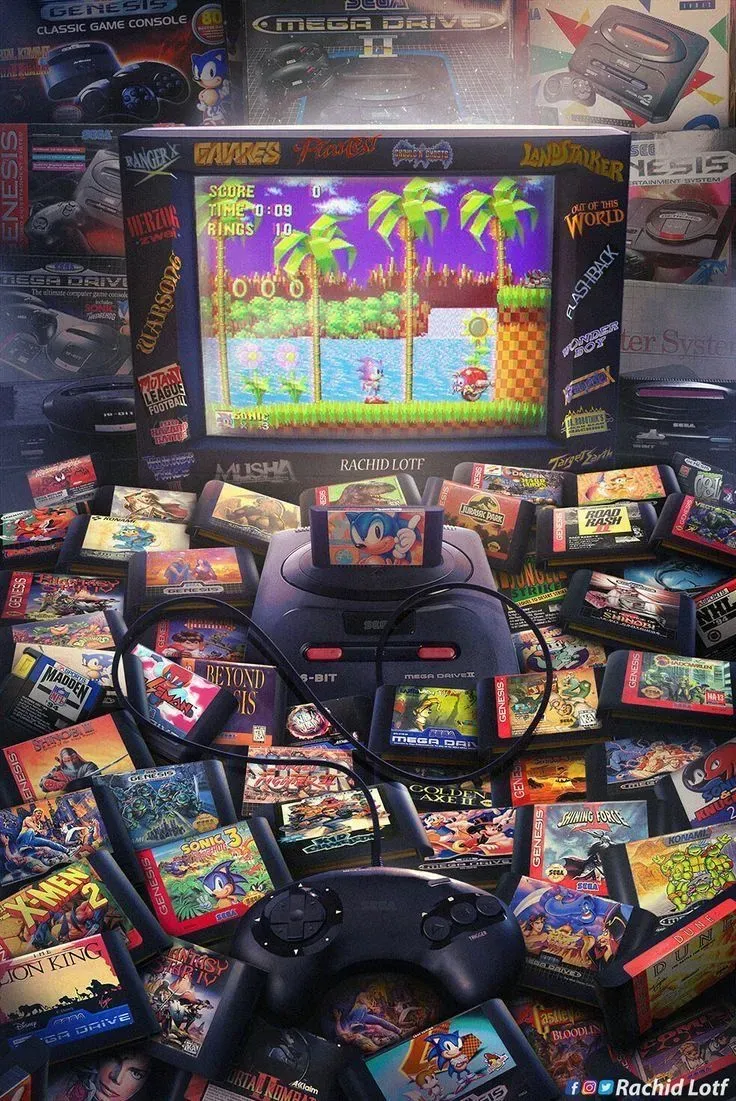
Emulation and retro consoles play a pivotal role in the retro gaming trend, making classic titles accessible without sacrificing the essence of the original experience. Emulation recreates the hardware in software, enabling features like save states, rewind, and enhanced display scaling that modern players expect while staying faithful to the source material. Retro consoles—miniature re-releases of the NES, SNES, Sega Genesis, and similar systems—offer plug-and-play convenience with curated libraries. Together, they form a practical pipeline that preserves retro games for new generations, supporting both enthusiasts and curious newcomers.
From a community perspective, emulation and retro consoles enable shared discovery and preservation. Players can compare strategies, swap tips, and revisit landmarks in the history of gaming, reinforcing nostalgia in gaming as a social phenomenon. This approach helps sustain the retro gaming trend by balancing accessibility with fidelity, ensuring that retro games remain relevant without forcing audiences to wumble through outdated hardware. The result is a dynamic ecosystem where preservation meets contemporary expectations, allowing classic mechanics to influence modern titles while honoring their historical context.
Frequently Asked Questions
How does nostalgia in gaming keep retro games relevant in modern gameplay experiences?
Nostalgia in gaming taps positive emotions and a sense of mastery from retro games, while modern gameplay experiences layer new mechanics on top. Revisiting classic design—tight controls, clever level design, and iconic visuals—keeps retro games relevant and accessible today. This emotional pull lowers perceived risk and invites players to enjoy fresh twists that honor the past.
What role do emulation and retro consoles play in the retro gaming trend and the appreciation of retro games?
Emulation and retro consoles provide practical paths to play retro games on current devices, offering authentic experiences or the convenience of modern displays. They fuel the retro gaming trend by expanding libraries, preserving titles, and letting new players explore classics with added features like save states or enhanced visuals. Together they support enduring appreciation of retro games while keeping the scene vibrant for today’s audiences.
| Key Point | Description |
|---|---|
| The enduring appeal of retro games | Retro aesthetics (limited color palette, chunky pixels, chiptune). More than visuals, a philosophy of challenge, clever level design, and tactile controls that foster mastery. |
| Nostalgia in gaming and its psychology | Nostalgia triggers positive emotions (comfort, belonging, memories of victories). Familiar sprites/sounds trigger memory-driven strategies; dopamine loops; also functional for sparking curiosity and reducing perceived risk for new features. |
| From pixel art to modern gameplay experiences | Pixel art migrated to contemporary productions. Indie studios use pixel art to signal accessibility and nostalgia; big-budget titles borrow retro cues to evoke timelessness. Result: a bridge between eras with tight input, rewarding progression, and implied storytelling. |
| The retro gaming trend in the industry | Retro gaming has surged via mini consoles, remasters, and streaming. Platforms celebrate classics while reinterpreting them for tactile feedback, responsive controls, and meaningful progression. Preservation efforts accompany the trend. |
| Emulation and retro consoles: pathways to play | Emulation recreates original hardware on modern devices with save states, rewind, and scaling. Retro consoles offer plug-and-play libraries. Both paths celebrate nostalgia and accessibility, with attention to legal/ethical ROM guidelines. |
| A practical guide to experiencing retro games today | Plan your experience: emulation first for faithful design, consider remasters/ports for accessibility, explore retro-inspired indies, and (if desired) a compact retro console with curated libraries. |
| Practical tips for getting the most out of Retro gaming nostalgia | Start with short titles to build mastery; access libraries legally; create a comfortable play setup with suitable controls; remain open to hybrids that blend retro cues with new mechanics. |
| Design cues that connect retro and modern | Tight player agency, rewarding difficulty and progression, clear visual language, memorable sound design, and modular experimentation translate well into modern frameworks. |
| Preservation and community as part of the experience | Communities form around shared memories and practices. Emulation/retro consoles enable social gatherings and ongoing preservation of titles, hardware, and artifacts. |