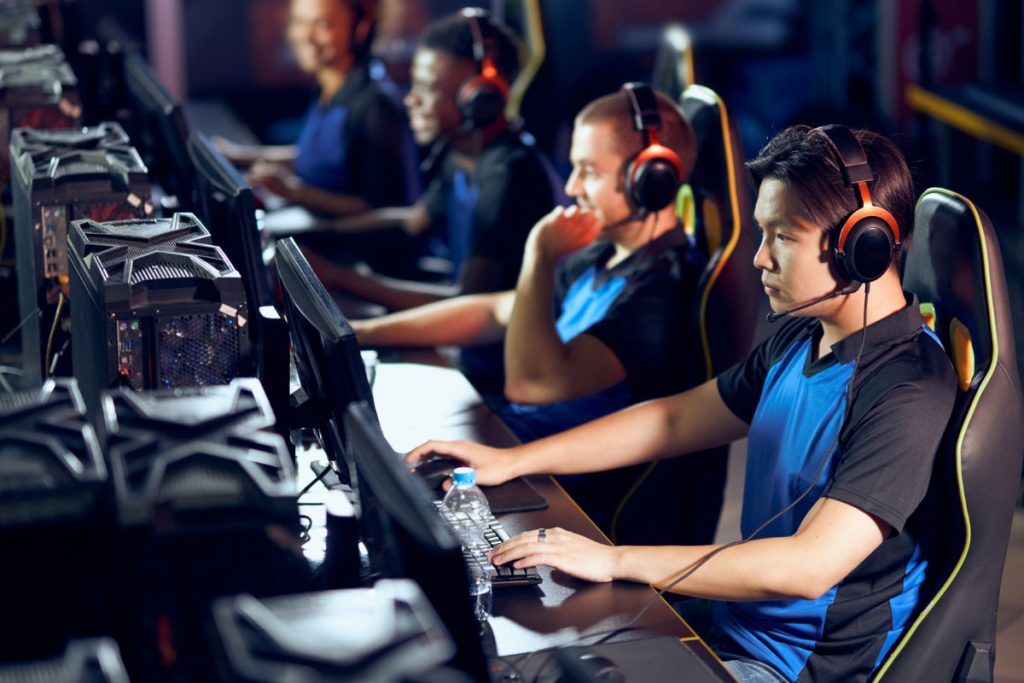
The Psychology of Games unlocks why digital play pulls us in with a resonance that transcends the surface-level rules and graphics, inviting us to interrogate how cognition, emotion, and narrative interact to shape our attraction to play. By tracing how players respond to escalating challenges, meaningful feedback, and opportunities for mastery, researchers illuminate the conditions under which flow state emerges, a focused immersion where attention narrows and performance can peak. Reward systems—ranging from immediate cues to delayed milestones—tap into intrinsic motivators like curiosity and competence while leveraging extrinsic cues such as points and rankings, guiding behavior and supporting player motivation across titles. Social interaction and habit formation form critical threads, connecting players through collaboration, competition, mentorship, and shared identity, so that meaningful networks and community norms enhance engagement while repeated routines turn play into durable habits. These interconnected forces offer designers a practical map for creating experiences that feel rewarding, respectful of time, and mindful of well-being, helping players understand why they return to the next quest, match, or puzzle.
Beyond the label, researchers describe gameplay psychology as the study of cognitive triggers and emotional rewards that drive repeated play. Terms such as intrinsic motivation, flow, engagement loops, and reinforcement schedules describe how players become absorbed, learn, and persevere. Designers tap into these ideas by balancing challenge and skill, providing meaningful feedback, and shaping social dynamics to foster community bonds and ongoing participation. In other words, the language shifts from why we love games to how motivational systems, feedback mechanisms, and social contexts orchestrate behavior—a lens that helps teams create healthier, more satisfying play experiences.
Flow State and Immersive Engagement in Games
Flow state emerges when players face challenges that match their skills, goals are clear, feedback is immediate, and distractions fade. In games, this leads to heightened focus, time dilation, and a sense of effortless control. When the balance shifts toward too-easy or too-hard, flow dissolves, reminding us why proper tuning is a core design craft. The result is an intrinsically rewarding arc where engagement is driven by the activity itself rather than external rewards.
Designers coax flow through well-timed pacing, progressive challenges, meaningful feedback, and a sense of agency. The presence of accessible controls and transparent progress helps players stay in the zone longer, reinforcing a positive feedback loop that encourages further play. In this way, flow state becomes a powerful driver of enjoyment and a lasting catalyst for skill development and mastery.
The Psychology of Games: Reward Systems, Motivation, Social Interaction, and Habit Formation
Within the Psychology of Games, reward systems are tuned to balance immediate gratification with longer-term goals. Variable-ratio reinforcement and timely feedback shape player motivation by pairing small wins with meaningful milestones. Intrinsic reasons—mastery, autonomy, curiosity—coexist with extrinsic cues such as points, badges, and social recognition, creating a layered motivational landscape that keeps players returning to the challenge.
Social interaction and habit formation are central to long-term engagement. Multiplayer play, guilds, leaderboards, and streams offer social rewards that can rival in-game rewards, strengthening commitment through community identity. Habit formation emerges from daily routines, seasonal events, and consistent progression loops, which—when designed ethically—support positive, voluntary participation and mindful play rather than compulsive behavior.
Frequently Asked Questions
What is the Psychology of Games and how does flow state affect player motivation?
The Psychology of Games explores how cognitive and emotional mechanisms drive play. Flow state, the feeling of being fully absorbed when challenge and skill align, boosts intrinsic motivation by providing a sense of mastery and focused immersion. Designers tune difficulty, feedback, and goals to foster flow, sustaining engagement without overwhelming players.
How do reward systems and social interaction contribute to habit formation in games?
Reward systems provide immediate feedback and delayed progression, creating reinforcement loops that encourage ongoing play. Social interaction—competition, cooperation, and community—adds meaning and status, strengthening habit formation as players integrate games into daily routines. Healthy design balances rewards and social cues with player autonomy and mindful pacing.
| Aspect | Key Points |
|---|---|
| Flow state and immersion | Flow = full absorption, time distortion, peak performance; challenges match skills; clear goals and immediate feedback drive deep engagement. |
| Rewards, reinforcement, and motivation | Reward systems use achievable, incremental feedback and variable timing; intrinsic (mastery) and extrinsic (social standing) motivations shape behavior. |
| Social interaction and community | Multiplayer and social rewards create communities, collaboration, rivalry, and extended engagement beyond gameplay. |
| Habit formation and long-term engagement | Daily incentives and routines create cues that turn play into habit; design should support healthy, voluntary engagement. |
| Neuroscience of play and practical takeaways | Dopamine signaling and reward anticipation explain urges to return; design with meaningful choice, transparent feedback and cohesive progression. |
| Applying the psychology of games to design and play | Flow-friendly mechanics, dynamic difficulty, responsive feedback; recognize diverse player motivations and balance challenge, reward and social aspects. |
| Common misconceptions and healthy play habits | Not all engagement is harmful; promote autonomy, breaks, transparent reward loops, and wellbeing as core design principles. |
Summary
Psychology of Games reveals how play taps into core human drives: mastery, flow, social connection, and meaningful routines. The content shows that flow emerges when challenge and skill align, producing deep focus and a sense of effortless control. Reward systems, from immediate feedback to long term progression, shape motivation by balancing intrinsic satisfaction with social cues and status. Social interaction weaves communities that extend engagement beyond the screen, while habit formation builds regular play through cues and incentives. The neuroscience lens explains why certain moments feel exhilarating, guiding designers toward transparent feedback and balanced progression. Taken together, these ideas provide a practical map for designing or choosing games that are engaging yet healthy. In short, Psychology of Games helps designers foster meaningful experiences and helps players develop mindful, voluntary participation rather than compulsive patterns.