
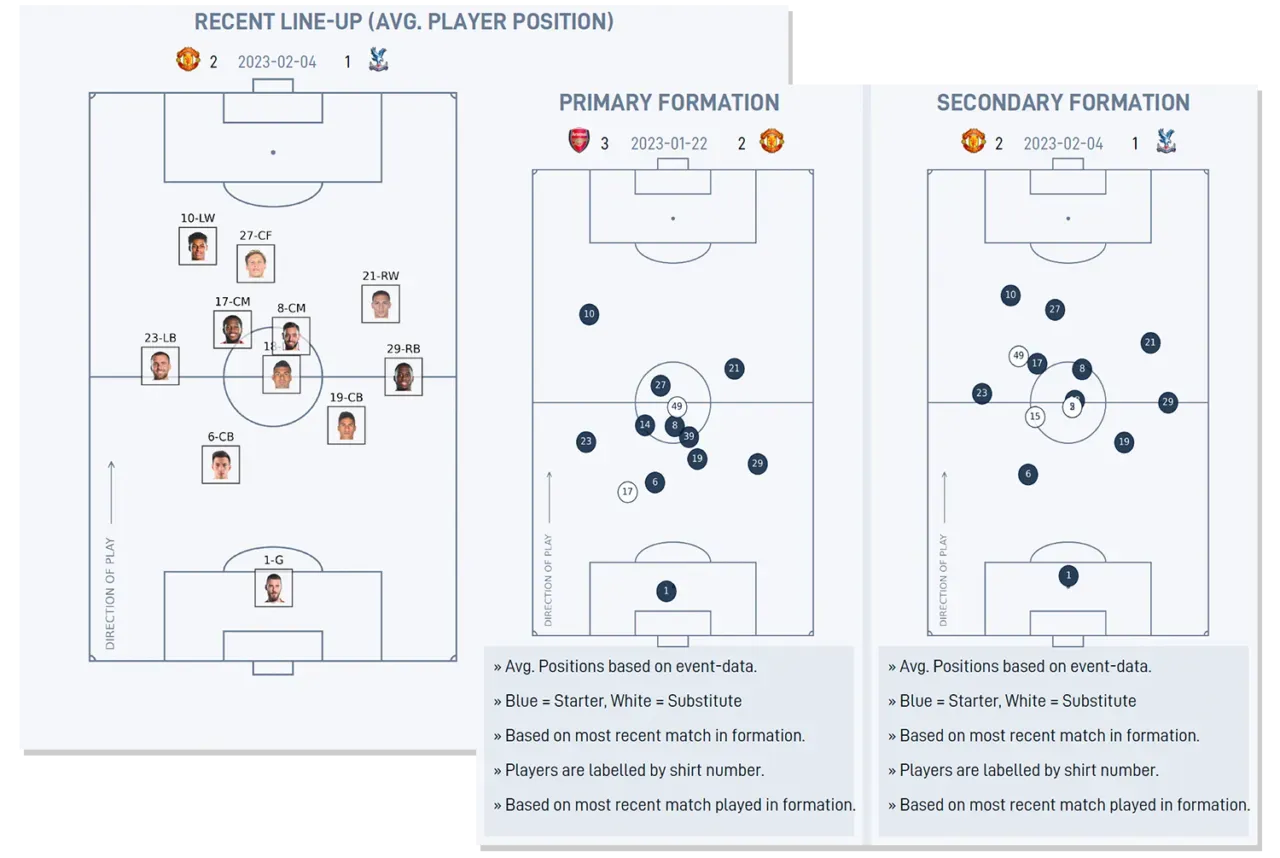
Opponent analysis in team sports is a cornerstone of modern coaching. It blends opponent scouting strategies, tactics analysis in sports, and game film study opponents to reveal how rivals intend to play and where their vulnerabilities lie. When done well, this analysis informs decisions across practice design, game plan, and in-game adjustments, turning uncertainty into evidence-based action. A well-structured approach uses a concise pre-game scouting checklist to translate insights into quick, actionable cues for players. Beyond the numbers, the process emphasizes pattern recognition, timing, and context so teams anticipate tendencies rather than simply react.
Beyond the exact label, teams describe rival analysis and opposition reconnaissance as the core workflow that fuels preparation. This framing connects related ideas such as opponent scouting strategies, tactics analysis in sports, team sports scouting, and game film study opponents under a broader umbrella of pattern recognition. Practically, coaches convert these insights into study routines, scouting notes, and pre-game checklists that guide practice design and matchup decisions. Using LSIs helps ensure the messaging stays expansive yet coherent, supporting robust match-day preparation and adaptive in-game responses.
Opponent analysis in team sports: a data-driven framework for game prep and in-game decisions
Opponent analysis in team sports blends scouting, tactical analysis, and film study to produce a clear picture of what rivals will attempt, how they want to play, and where their vulnerabilities lie. This data-driven approach relies on the core ideas of opponent scouting strategies, game film study opponents, and tactics analysis in sports to convert observations into actionable plans. By aligning evidence from multiple sources, teams move beyond guesswork toward practical insights that inform practice design, game plan, and timely in-game adjustments.
To execute effectively, coaches should translate findings into a structured workflow that supports a pre-game scouting checklist and ongoing evaluation. This involves identifying tendencies, pace, and key matchups, then mapping those signals to concrete drills and contingency plans. When done well, opponent analysis in team sports becomes a continuous loop where insights from one game shape the next training block, keeping the squad ahead of evolving opponent tactics.
From film study to game-day execution: translating scouting insights into practice and performance
Across sports, turning film study opponents into reliable game plans requires a disciplined application of tactics analysis in sports. Teams employ game film study opponents to tag patterns, triggers, and decision moments, then weave these findings into training design and in-game prompts. This is where team sports scouting meets real-time execution, with coaches using the insights to tailor drills, rehearsals, and situational reps that mirror expected opponent behavior.
A practical implementation emphasizes the pre-game scouting checklist as a compact, user-friendly tool for players and staff. By prioritizing high-impact tendencies and counter-moves, the checklist supports quick decision-making during prep and competition, enabling players to anticipate pressure, adjust spacing, and exploit observed weaknesses. When integrated with ongoing opponent scouting strategies, this approach helps teams sustain tactical flexibility and maintain an evidence-based edge.
Frequently Asked Questions
What is opponent analysis in team sports and how do opponent scouting strategies and game film study opponents contribute to a data-driven game plan?
Opponent analysis in team sports blends scouting, tactical analysis, and film study to anticipate rivals’ plans and vulnerabilities. Start with game film study opponents to identify tendencies in tempo, formations, and key players, then use opponent scouting strategies to triangulate findings across recent games. Translate these insights into action with a pre-game scouting checklist and targeted team sports scouting, shaping practice design, game plan, and in-game adjustments. The result is evidence-based decisions that improve preparation and performance.
How can a pre-game scouting checklist support opponent analysis in team sports and what is the role of team sports scouting in this process?
A pre-game scouting checklist turns opponent analysis in team sports into actionable steps. By distilling insights from team sports scouting and game film study opponents into concise cues, it guides coaching decisions, player assignments, and in-game adjustments. Use it to document tendencies (tempo, formations, pressure), counter-moves, and matchups, then rehearse these scenarios in practice. Update the checklist after each game to keep it relevant and ensure quick briefing before kickoff or tip-off.
| Aspect | Key Points |
|---|---|
| Introduction | Opponent analysis is a cornerstone blending scouting, tactical analysis, and film study to understand rivals’ plans, tempo, and vulnerabilities; informs practice design, game plan, and in-game adjustments; shifts decisions from guesswork to evidence-based strategies; helps teams outsmart opponents rather than simply outworking them. |
| Why Opponent Analysis Matters | Every game is a contest of patterns, tendencies, and decision-making under pressure; studying opponents helps anticipate set plays, counter-moves, and tempo changes; results in a more predictable, controllable game environment; includes a continuous feedback loop where insights from one game inform the next training block. |
| Key Areas of Analysis | Tendencies and pace; Formations and structure; Key players and matchups; Set plays and restarts; Defensive organization; Exploitable weaknesses. |
| Tools, Data, and Methods | Game film study; Statistical scouting; Tactical breakdowns; Live scouting notes; Video analysis tools; Pre-game scouting checklist. |
| From Analysis to Action: Tactical Preparation | Scouting, Planning, and Execution: Scouting creates a clear picture of opponent behavior; Planning develops game plans and counter-strategies; Execution implements plans with discipline and flexibility; includes risk management and contingency plans. |
| Coaching Applications Across Sports | Soccer/Football: defensive shapes, build-up routes, pressing triggers, and counter-attack timing. Basketball: pick-and-roll tendencies, transition pressure, and late-shot-clock choices. Rugby/Hockey: line-speed, channel defense, and set-piece behavior. |
| Case Study: A Hypothetical Example | Basketball team identifies a weak side during full-court pressure; crafts plan; uses pre-game scouting checklist; in-game cues guide ball reversals and spacing adjustments. |
| Common Pitfalls and Best Practices | Pitfalls: overreliance on a single data source, data overload, slow adaptation, misinterpretation of intent. Best practices: update scouting materials regularly; involve players; use concise reporting; test counter-strategies in practice. |
Summary
Opponent analysis in team sports is a disciplined framework that helps teams read, react, and respond with confidence. By combining scouting strategies, tactical analysis, and systematic film study, teams reduce uncertainty, exploit weaknesses, and execute game plans with precision. When applied across practice design, preparation, and in-game decision-making, opponent analysis elevates performance, resilience, and consistency. Embrace this ongoing, collaborative discipline as a core part of coaching philosophy to drive measurable results on game day.