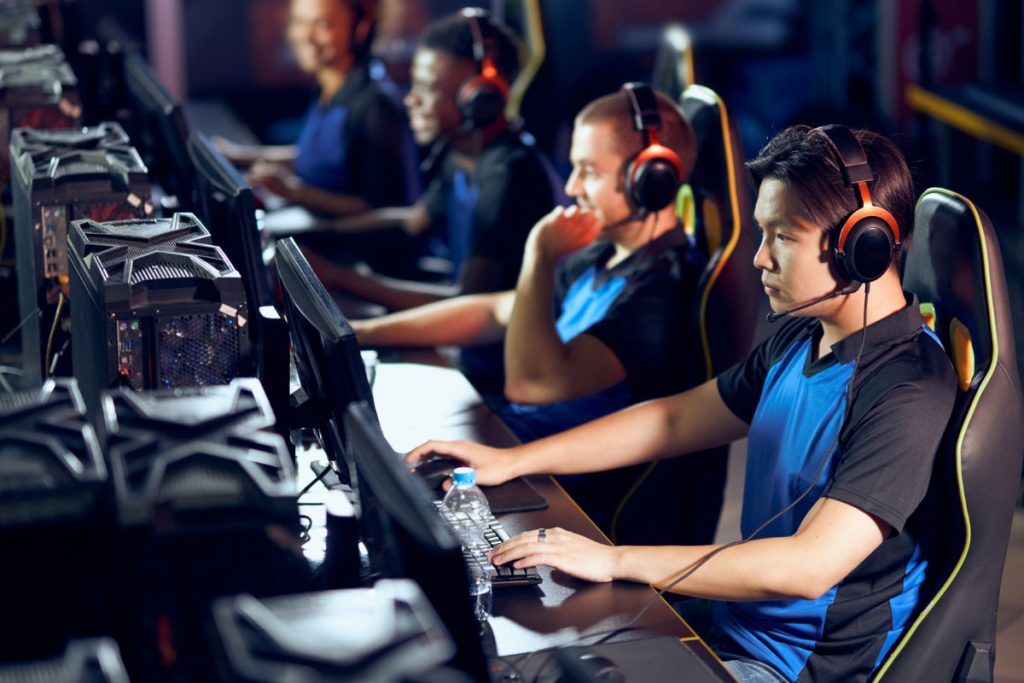
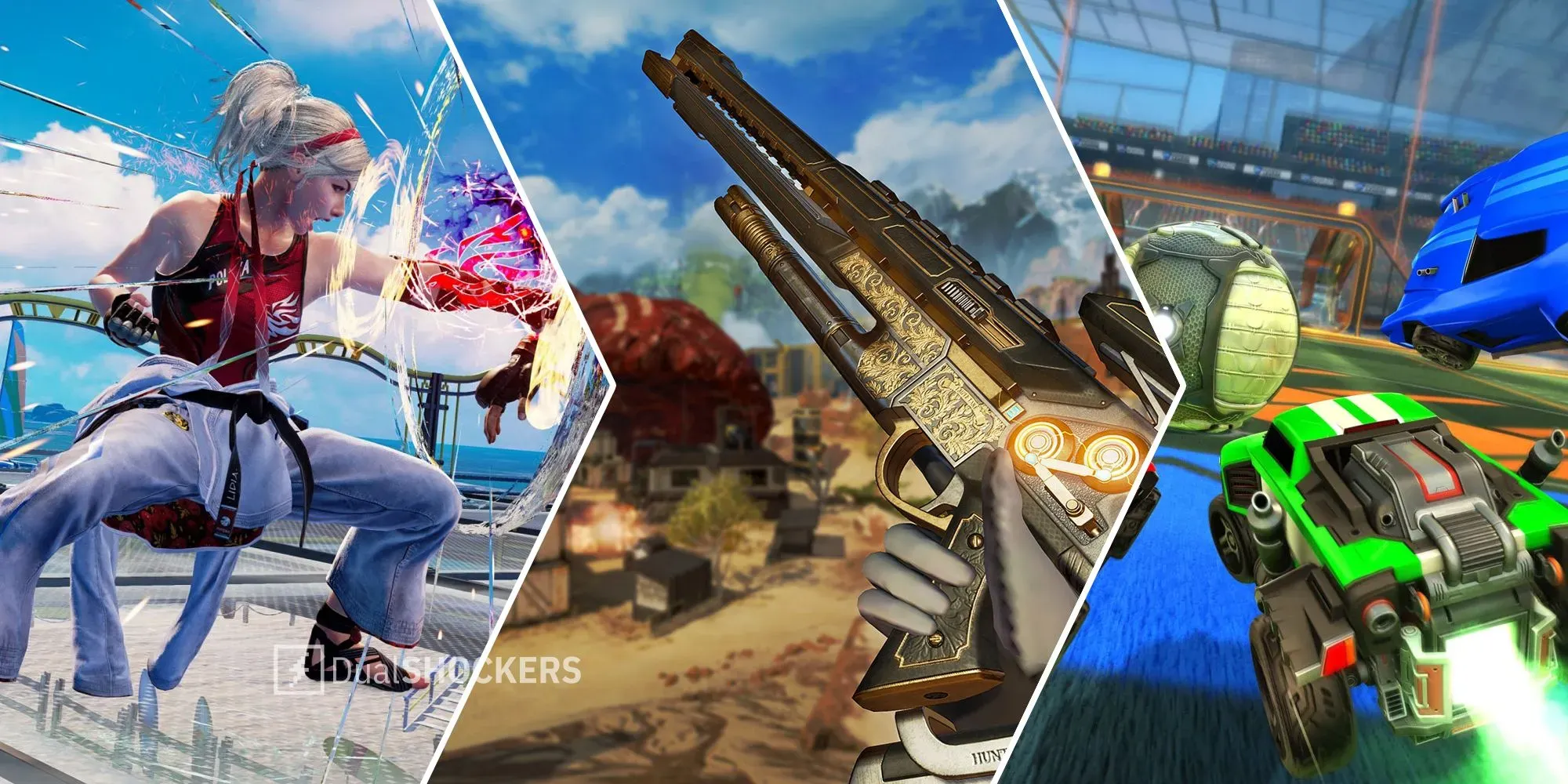
Competitive Games are more than sport and screens; they are ecosystems where players, teams, fans, and organizers converge around skill, strategy, and community. From rapid esports matchups to thoughtful strategy titles, they span a wide spectrum where practice sharpens meta-game knowledge. At their core, these ecosystems center on optimizing performance while nurturing vibrant communities that share tactics, celebrate victories, and learn from losses. This guide highlights esports strategy as their backbone and maps out how competitive gaming communities and esports communities fuel growth. You’ll find practical competitive gaming tips you can apply today to improve play, teamwork, and engagement.
Beyond the term ‘Competitive Games’, the topic unfolds as a dense competitive gaming ecosystem where strategy, teamwork, and storytelling intersect. In the esports scene and the wider digital sports culture, organized leagues, streamers, coaches, and analysts shape how players train, compete, and evolve. The social fabric—the hobbyist forums, mentorship circles, and content creators—drives skill growth, career pathways, and fan engagement. Framing the landscape through data, mentorship, and collaboration provides practical angles for players and fans to approach practice, analysis, and community participation with intention.
Competitive Games: Esports Strategy and the Power of Esports Communities
Competitive Games fuse skill, strategy, and social ecosystems into a living ecosystem where players, teams, fans, and organizers converge around performance and learning. Esports strategy sits at the center, guiding preparation, map control, pacing, and in-game decision points, while esports communities and competitive gaming communities sustain the dialogue, mentorship, and knowledge sharing that keep players progressing. This alignment makes the ecosystem vibrant for both competitors and spectators, with tactics and tactics-derived insights circulating across teams and fans alike.
From clear roles and accountability to data-informed practice design, the essence of esports strategy is not only what to do but when to do it. Coaches and analysts help translate observations into repeatable plays, and the community becomes a living playbook that evolves with patches and meta shifts. Practicing like a laboratory — mixing mechanical drills, scrimmages, and scenario-based simulations — turns theory into reliable execution, while the broader esports communities provide feedback loops, content, and mentorship that accelerate growth for newcomers and seasoned players alike.
Esports Communities, Practice, and Competitive Gaming Tips for Players and Fans
Within competitive gaming communities, learners and fans collaborate to accelerate skill development through tutorials, guides, highlight reels, and in-depth analyses. Esports communities and competitive gaming communities form around teams, leagues, and events, but also around content creators and coaches who translate complex concepts into accessible, practical knowledge. This ecosystem supports a steady flow of competitive gaming tips that players can apply in scrims, ladders, and matches, helping novices climb the learning curve and veterans refine their edge.
Practical engagement—structuring practice, studying the evolving meta, and sharing feedback—drives professional growth within these communities. Governance and moderation ensure safe, constructive discourse, while clear codes of conduct and fair competition rules encourage experimentation and respectful debate. Coaches and analysts, often nurtured within esports communities, translate in-game observations into concrete exercises and data-driven recommendations, creating clear pathways into coaching, analytics careers, and more opportunities for players to sustain a long-term presence in competitive gaming.
Frequently Asked Questions
What competitive gaming tips should newcomers follow to excel in Competitive Games and lay a solid foundation in esports strategy?
Start with a structured practice routine focused on mechanics and macro decisions. Study the meta through patch notes and data-driven analysis, and use early-game rotations and late-game decision points to guide training. Establish clear team roles, integrate coaching and analytics, and treat practice like a laboratory where hypotheses are tested and results inform in-game actions. Balance individual skill work with team coordination to align with esports strategy. Engage with competitive gaming communities and esports communities to share learnings and receive feedback.
How do esports communities and competitive gaming communities influence your approach to strategy and performance in Competitive Games?
Esports communities and competitive gaming communities provide mentorship, coaching, and analytical insights that accelerate improvement. They enable structured scrims, tutorials, guides, and discussions that keep you updated on meta shifts. By fostering a culture of learning with clear conduct rules, these communities amplify practical esports strategy and data-informed decisions, helping players advance toward higher levels of performance in Competitive Games.
| Topic | Key Points |
|---|---|
| Introduction | – Competitive Games are ecosystems where players, teams, fans, and organizers converge around skill, strategy, and community. – The spectrum ranges from fast-paced esports matchups to slower, methodical strategy titles where teams refine meta-game knowledge. – Core idea: optimize performance while nurturing vibrant communities that share tactics, celebrate victories, and learn from losses. – Focus of this guide: esports strategy, competitive gaming communities, and practical tips for players and fans. |
| Esports Strategy in Competitive Games | – Esports strategy is the backbone of high-level play, translating data-driven decisions into real results. – Teams invest heavily in maps, roles, itemization, and pacing to outmaneuver opponents; timing and rhythm matter. – Clear roles and accountability help reduce hesitation and enable synchronized execution; coaches/analysts build a living playbook. – Practice design blends mechanical skill work with strategic rehearsals; treat practice as a laboratory for hypotheses and data-driven action. – Analytical thinking uses stats to quantify performance and reveal patterns; the goal is actionable adjustments and new tempo changes. – Adaptability is critical; top teams adjust to the map, patch, or meta and view flexibility as a competitive edge. |
| Competitive Gaming Communities and Their Impact | – Competitive gaming communities power practice groups, mentorship, and knowledge sharing; they sustain ecosystems beyond individual players. – They foster a culture of learning, lowering barriers to entry and accelerating skill development. – Best communities balance structure with openness, providing reliable scrims/tournaments while encouraging experimentation and respectful debate. – Moderation and fair competition rules create safe spaces for pushing skill boundaries. – Community-driven content (tutorials, guides, highlights, analyses) expands knowledge beyond a single game or season. |
| Esports Communities and Professional Growth | – Esports communities act as stepping stones to professional careers via streaming, competitions, and collaborative practice. – Observing peers offers practical templates for improvement in timing, coordination, or mechanical skills. – Coaching and analyst roles translate observations into exercises and actionable recommendations, accelerating progress. – Clear pathways into coaching and analytics careers strengthen the overall ecosystem. |
| Practical Insights: Competitive Gaming Tips for Players and Fans | – Establish a structured practice routine with specific goals for each session and track progress. – Study the meta with intention, focusing on how changes affect decisions and resource management. – Build a personal safety margin with primary safe plays and contingencies for high-pressure moments. – Use data to inform decisions; collect basic metrics and let data guide adjustments, not opinions alone. – Engage with the community by sharing learnings and participating in scrims to support growth for all. – Develop a growth mindset; treat losses as learning opportunities and seek feedback. – Communicate effectively during games to reduce misplays and clarify roles. – Focus on resilience with routines that support focus, recovery, and emotional regulation. |
| The Future of Competitive Games and Community Growth | – Technology evolution will bring improved matchmaking, spectator experiences, and analytics. – Esports strategy will rely more on real-time data, AI-assisted coaching, and advanced scouting. – Communities will become more diverse and globally connected, expanding opportunities for players from different backgrounds. – A balance between high-level play and inclusive, supportive environments is essential for thriving ecosystems. |
| Conclusion | – Competitive Games bring together skill, strategy, and community in ways that few other activities do. – By focusing on esports strategy, nurturing competitive gaming communities, and embracing practical tips, players of all levels can deepen involvement and achieve meaningful growth. – Whether pursuing a professional path, aiming to improve team cohesion, or simply enjoying the drama and excitement of esports, the combined power of strategy, community engagement, and perseverance will drive the evolution of Competitive Games for years to come. |
Summary
Conclusion: Competitive Games bring together skill, strategy, and community in ways that few other activities do. By focusing on esports strategy, nurturing competitive gaming communities, and embracing practical competitive gaming tips, players of all levels can deepen their involvement and achieve meaningful growth. Whether pursuing a professional path, seeking to improve team cohesion, or simply enjoying the drama and excitement of esports, the combined power of strategy, community engagement, and perseverance will drive the evolution of Competitive Games for years to come.