
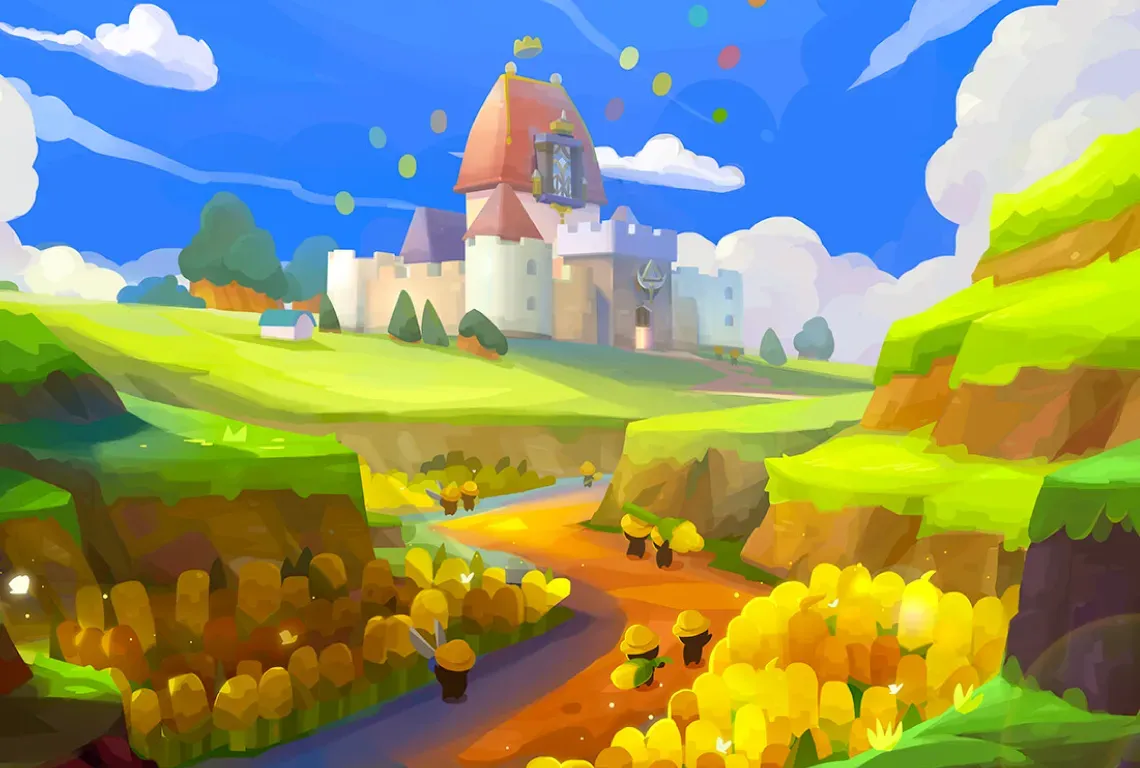
Art of Games sits at the heart of digital creativity, turning what you see on screen into a living, breathing experience. By balancing visual craft with narrative intent, it teaches designers to guide perception and emotion without breaking immersion. From lush video game visuals that set tone to immersive gaming experiences that invite exploration, the craft rewards careful planning and responsive feedback. When visuals inform choices and environments hint at possibilities, players feel like they are part of a living story rather than passive observers. Ultimately, Art of Games is about translating art direction into meaningful interaction that respects player agency.
In broader terms, this craft is the art of shaping digital worlds where aesthetics, lore, and interactivity fuse into a cohesive experience. Think of it as narrative architecture, world-building, and interactive storytelling aligned with game mechanics to guide discovery. The emphasis shifts to atmosphere, environmental storytelling, and player agency, so exploration yields meaningful outcomes rather than passive observation. LSI principles encourage using related concepts like game atmosphere, world design, and experiential storytelling to signal relevance to search engines and readers. Together these elements create a durable, resonant experience that invites ongoing curiosity and repeated play.
Art of Games: Visuals, Narrative Design, and Immersive Gaming Experiences
Art of Games is the craft of shaping perception through a seamless fusion of visuals, storytelling, and interactivity. Visuals do more than decorate the screen; they establish mood, signal rules, and guide the player’s attention. From painterly lighting to crisp, modern realism, art direction communicates genre and intention at a glance, ensuring that what the player sees supports the narrative and the gameplay rather than distracting from it.
When visuals align with narrative design in games, the world feels coherent and lived-in. Environmental storytelling uses architecture, props, and weather to reveal history without a single line of dialogue, while players’ choices ripple through the story to shape outcomes. This harmony creates immersive gaming experiences where every color shift, texture, and sound cue reinforces meaning and sustains emotional investment.
Storytelling Techniques in Games: Balancing Narrative and Player Engagement
Effective game storytelling techniques blend plot, character arcs, and exploration into the gameplay loop. Narrative design in games asks how the story adapts to a player’s decisions, how lore reveals itself through action, and how pacing sustains curiosity between moments of discovery and challenge.
By aligning storytelling with interactive feedback, designers keep players engaged and invested. Branching paths, environmental clues, and reactive dialogue invite players to co-create meaning, making player engagement in games feel earned rather than imposed. When visuals reinforce the narrative, the game becomes a living world in which choices matter, driving immersive gaming experiences.
Frequently Asked Questions
What is Art of Games, and how do video game visuals and narrative design in games create immersive gaming experiences?
Art of Games blends visuals, storytelling, and interactivity to shape how players perceive and engage with a world. Video game visuals set mood and communicate rules at a glance, while narrative design in games reveals lore through environment and choice; when these elements align, players experience immersive gaming experiences with meaningful agency.
What are effective game storytelling techniques within Art of Games to boost player engagement in games while keeping visuals cohesive?
Effective game storytelling techniques in Art of Games weave plot, character arcs, and world-building into gameplay. Environmental storytelling, branching paths, and well-paced moments deepen meaning without interrupting flow, while a consistent art direction and responsive visuals reinforce decisions and outcomes, boosting player engagement in games.
| Key Area | Summary |
|---|---|
| Definition & Focus | Art of Games blends visuals, storytelling, and immersion to turn game systems into memorable experiences; sits at the intersection of art direction, narrative design, and immersive engineering. |
| Visuals that Speak | Visuals communicate mood, genre, and rules; balance fidelity with readability; use color, lighting, texture, and UI to guide players and support narrative and gameplay. |
| Narrative Design | Storytelling in games is interactive: environment, character, and choice reveal lore; branching paths and pacing shape meaning and player experience; visuals reinforce the narrative. |
| Immersion | Immersion emerges from coherence across visuals, sound, and interactivity; audio, haptics, world-building, and accessibility contribute to a believable, inhabitable world. |
| Integration & Design Principles | Visuals, storytelling, and interactivity form a single design language. Key principles include: establishing a clear visual grammar; aligning narrative goals with gameplay; natural feedback loops; designing for accessibility; balancing ambition with clarity. |
| Player Engagement | Player choice and meaningful opportunities to influence outcomes; player agency fosters engagement and a sense of co-authorship with the game world. |
| Takeaways & Examples | Case-study style notes across fantasy, sci-fi, and indie titles illustrate how visuals, narrative design, and interactivity create diverse, memorable experiences. |
Summary
Conclusion: