AI, IoT, and Blockchain are converging to redefine how devices sense, decide, and transact in the digital age. This powerful trio enables smarter systems by combining intelligent analytics with pervasive sensing and secure ledgers. For newcomers, understanding how AI can learn from data generated by connected devices, and how blockchain adds trust, is essential. Optimized for search, this introductory guide highlights practical concepts such as AI IoT integration, blockchain basics, IoT security, and smart contracts. Edge computing helps reduce latency by processing data near the source, supporting real-time decisions in smart environments.
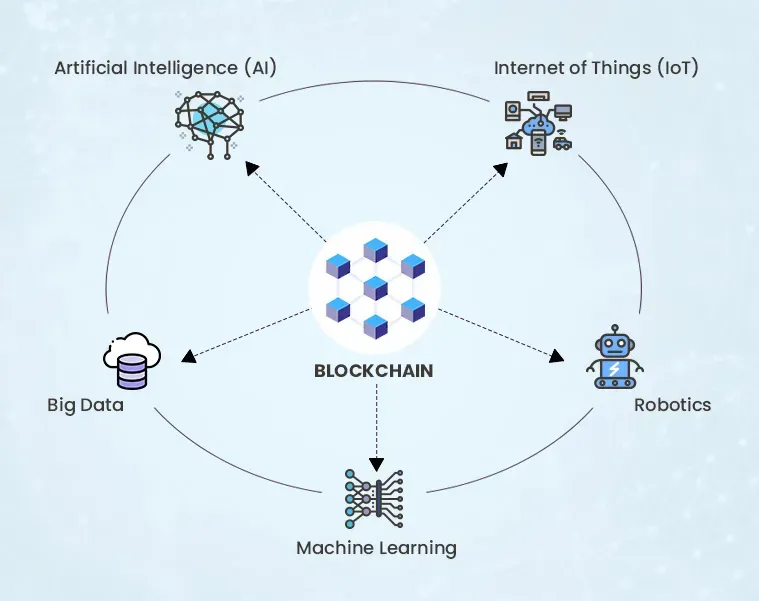
Viewed through a different lens, these technologies form a stack of intelligent automation layered over a mesh of connected devices. The Internet of Things provides the sensor network and data streams, while machine learning and analytics extract patterns to drive actions. Distributed ledger technology, commonly called blockchain, provides a tamper-evident record and supports autonomous rules through smart contracts. Edge computing keeps critical processing close to the devices, enabling fast decisions and preserving privacy. Together, this combination enables transparent data provenance, trusted interactions, and efficient, automated workflows across industries.
AI, IoT, and Blockchain: Uniting Intelligence, Connectivity, and Trust
AI IoT integration unites intelligent analytics with connected devices to automate decisions, improve efficiency, and enable adaptive systems. By combining AI capabilities with IoT data streams, you gain contextual insights that drive smarter actions, while blockchain basics provide a tamper-evident record of how data is generated and used. Edge computing plays a crucial role by processing data closer to the source, lowering latency and helping protect privacy.
In practice, you can design flows that leverage AI for real-time inference on IoT streams, have blockchain track data provenance, and use smart contracts to automate responses. This trio supports safer automation, auditable decisions, and interoperable data across devices, which is essential for scalable deployments in manufacturing, healthcare, and beyond.
Getting started with AI, IoT, and Blockchain means mapping a simple use case, selecting approachable devices, and building a small prototype that demonstrates AI IoT integration with blockchain-enabled provenance. Start by outlining data sources, the AI model you’ll run at the edge, and how transactions will be recorded to the ledger to illustrate end-to-end flow.
Practical Pathways for Beginners: Building an End-to-End Demo with Edge, Smart Contracts, and Provenance
Begin with a modest problem and a clear data pipeline: collect sensor readings from a few IoT devices, run a lightweight AI model at the edge, and log outcomes on a test blockchain. Paying attention to IoT security during setup—such as device authentication and encrypted communication—helps prevent common early-stage risks.
Explore beginner-friendly resources that cover AI IoT integration, blockchain basics, and smart contracts. Use open-source tools to prototype data provenance, implement simple access controls, and practice deploying smart contracts that automate responses when thresholds are crossed.
Plan governance and scalability from the start by specifying interoperability standards, API conventions, and privacy considerations. This ensures your prototype can evolve into a trustworthy system that respects user consent and can be extended with additional devices and analytics.
Frequently Asked Questions
What is AI IoT integration, and how can edge computing and blockchain basics improve security and data provenance in IoT deployments?
AI IoT integration combines AI with data from connected devices to create intelligent, autonomous systems. Edge computing brings processing close to sensors, reducing latency and helping AI react in real time while preserving privacy. Blockchain basics provide an immutable ledger for data provenance, ensuring tamper-evident records of who generated data and when. Together, AI on the edge, secure IoT data handling, and blockchain-based provenance enable smarter, auditable deployments. For beginners, try a small edge AI prototype, secure data collection, and a simple blockchain log to explore data provenance and trust.
How do smart contracts enable AI IoT integration to automate secure workflows, and what roles do IoT security and edge computing play?
Smart contracts are self‑executing rules stored on a blockchain that automate actions across AI and IoT workflows. When an AI model detects a condition among IoT devices, a smart contract can trigger automated responses (alerts, maintenance tickets, or payments) with an auditable record. IoT security practices—strong authentication, encrypted communication, and secure firmware—protect the devices involved in the workflow. Edge computing supports low‑latency decisions by processing data near the source, reducing cloud latency and enhancing privacy. To start, prototype a small sensor network, run a lightweight AI model on the edge, and implement a test smart contract to automate a response while logging events on a blockchain for transparency.
| Topic | Key Points |
|---|---|
| What is AI? |
|
| What is IoT? |
|
| What is Blockchain? |
|
| Intersections and Use Cases |
|
| Getting Started for Beginners |
|
| Glossary and Key Terms |
|
| Common Myths and Realities |
|
Summary
Conclusion: AI, IoT, and Blockchain together form a powerful triad that enables smarter devices, more trustworthy data sharing, and automated, intelligent processes. For beginners, the most important step is to start small: choose a relatable use case, learn the basics of each technology, and build a simple prototype that demonstrates AI IoT integration and blockchain-enabled data provenance. As you gain hands-on experience, you’ll discover how these technologies complement each other—AI turning data into insights, IoT providing the data, and Blockchain ensuring trust, security, and interoperability across devices and services. With thoughtful planning and ongoing learning, you can navigate the challenges and unlock practical, real-world benefits from AI, IoT, and Blockchain.