How to stream your favorite games is an exciting gateway to sharing your playthroughs with friends and a growing audience. This beginner-friendly guide walks you through a simple Twitch streaming setup for beginners while emphasizing how to tell your story beyond the gameplay, including branding, chat etiquette, and schedule planning. If you’re curious about how to stream games on Twitch for beginners, you’ll find practical steps that won’t overwhelm you, from choosing a microphone to testing scenes and building confidence with each small victory. Along the way you’ll pick up game streaming tips for beginners, plus tips on selecting the best software to stream gameplay that fit different budgets and comfort levels. Start with a basic microphone and a clear plan, then grow your kit and your schedule as your audience responds, and use feedback to refine your topics, pacing, and overlays over time.
Beyond the terminology, this is really about live gameplay broadcasting—sharing your sessions, building a routine, and inviting viewer participation, in a way that feels sustainable and authentic. Imagine your channel as a platform for gaming streams that combines commentary, consistency, and a friendly community to grow over time through regular posting, responsive chat, and transparent goals. If you’re looking for a practical path, consider this approach: pick a forgiving goal, schedule regular sessions, and refine your setup as you learn, investing in better audio, lighting, and scene organization. In the broader sense, creators focus on quality audio, clear visuals, and engaging on-screen elements to turn casual viewers into returning fans that keep coming back for reliable, entertaining experiences. As you gain confidence, you can explore wider distribution, collaboration with others, and monetization ideas while keeping the core experience authentic and true to your voice as you scale.
How to stream your favorite games: A practical beginner’s guide to setup, platforms, and growth
Starting your journey as a game streamer is more about planning and consistency than chasing the latest gear. If you’re wondering how to start streaming video games, begin by clarifying your goals: are you aiming to learn the craft, build a community, or pursue monetization over time? This approach helps you decide which platform to focus on and what kind of content will resonate with viewers, setting the stage for sustainable growth. It’s also a smart way to address common search intents, such as how to stream games on Twitch for beginners, so you can align your setup with audience expectations from day one.
Choosing the right platform is foundational. Whether you pick Twitch, YouTube Gaming, or another service, your plan should include a regular schedule, a recognizable visual identity, and an approach to audience interaction. For many newcomers, understanding the Twitch streaming setup for beginners early on can prevent a lot of frustration later. As you decide, consider how you want to present yourself—solo streams, face cam, or co-op sessions—and how these formats affect your gear and software choices.
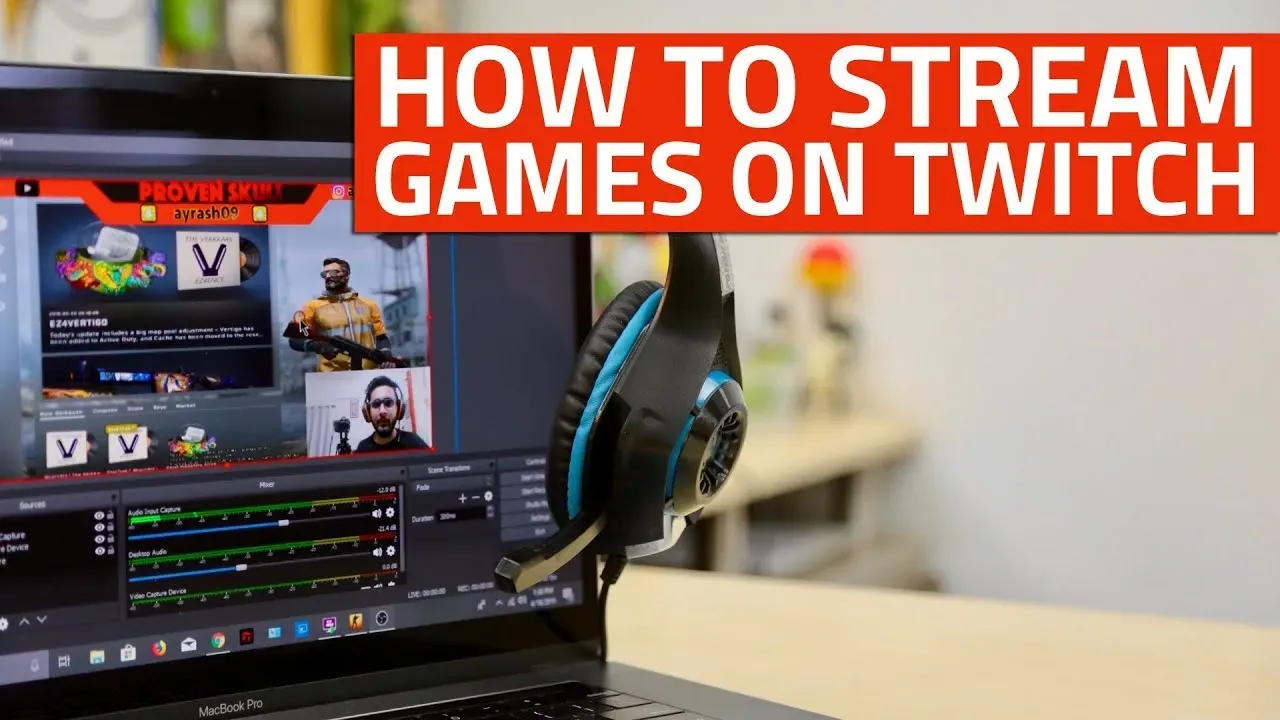
Equipment and software are your next toggles. You don’t need the most expensive hardware to start, but you should select reliable basics and learn the best software to stream gameplay. OBS Studio and Streamlabs are popular options because they offer robust features, overlays, and widget integration without a steep learning curve. If you’re exploring how to start streaming video games, try a couple of free tools first, then tailor scenes and sources to create a clean, consistent look that your audience can recognize across streams.
Mastering the workflow: from hardware to audience engagement for long-term growth
A smooth stream begins with solid hardware and thoughtful configuration. For beginners, focus on a stable CPU, 8–16 GB of RAM, and a reliable internet connection to keep gameplay and broadcast in sync. Pair these with a decent microphone and a basic webcam if you want a face presence. When planning your setup, keep encoding settings balanced so you don’t sacrifice game performance for stream quality. This practical foundation aligns with how to stream games on Twitch for beginners, ensuring you don’t outpace your own gear.
Content planning and consistency are essential for retention. Create a simple content calendar that blends gameplay with your personality, and prepare talking points to keep conversations flowing. Regular streaming builds a loyal audience; even modest, predictable schedules can outperform sporadic, long stretches of content. This is where game streaming tips for beginners become actionable: outline streams ahead of time, maintain a recognizable brand, and integrate audience feedback to shape future sessions.
Engagement and community comingle with growth. Use clips and highlights to reach viewers beyond live sessions, and invite community participation through polls, viewer-chosen challenges, or collaborative streams. A strong routine and transparent goals help your audience trust your tempo and look forward to your next session. If you want to deepen your Twitch strategy, consult resources on how to start streaming video games and the Twitch streaming setup for beginners to refine your workflow and expand reach.
Frequently Asked Questions
How to stream your favorite games on Twitch for beginners: what setup and practices should you know?
Start with a simple, reliable setup to learn how to stream your favorite games on Twitch for beginners. Choose a platform (Twitch is a common start) and set a clear goal (casual streaming vs. building a community). Use a practical hardware baseline: 8–16 GB RAM, a capable CPU, and an internet upload of 3–6 Mbps for 720p streaming; upgrade for 1080p. Pick streaming software such as OBS Studio or Streamlabs. Create a basic scene: game capture, a face cam if you like, and overlays for alerts and chat. Set a reasonable bitrate (around 2500–3500 kbps for 1080p60 if your connection allows) and test streams (private/unlisted) to dial audio levels and transitions before going public. Develop a light content plan and schedule, engage with chat, and stay consistent. If you’re wondering how to start streaming video games, begin with a simple setup and a predictable schedule. As you gain experience, refine your setup and gradually increase quality or complexity.
What are the best software to stream gameplay and how to start streaming video games effectively?
Two popular options are OBS Studio and Streamlabs. OBS Studio is free, highly flexible, and cross-platform; Streamlabs offers user-friendly overlays and alerts. Both let you configure scenes, sources, and encoding settings to deliver stable streams. To start streaming video games, install your chosen software, connect your Twitch channel, set up a scene with game capture, webcam, and chat overlays, then enter settings: resolution (1080p or 720p), frame rate (30–60fps), bitrate (2500–4500 kbps depending on connection), and encoder (x264 or hardware). Save and test before going live. Also plan content and schedule, engage with chat, and keep refining visuals and audio quality. This provides a solid foundation for how to start streaming video games and choosing the best software to stream gameplay.
| Topic | Key Point |
|---|---|
| Why stream your gameplay? | Build connection with an audience, showcase personality, and explore monetization or collaboration opportunities; streaming also motivates practice and feedback. |
| Define setup and goals. | Decide between high production value vs. casual vibes, streaming solo or with others, and schedule a scalable plan from a simple start. |
| Hardware basics for beginners. | Use a stable baseline: adequate CPU, 8–16 GB RAM, reliable upload (3–6 Mbps for 720p; more for 1080p), good mic, webcam optional, plus headset, lighting, and an ergonomic desk. |
| Software choices. | Popular options include OBS Studio and Streamlabs; try free options first, learn core features, and customize scenes for a clean look. |
| Platform selection. | Twitch, YouTube Gaming, and others offer different discoverability and norms; maintain consistency, a recognizable visual identity, and appropriate engagement. |
| The Twitch setup for beginners. | Create a simple layout with game capture, face cam, and overlays; set bitrate around 2500–3500 kbps for 1080p60; use test streams to fine‑tune audio and transitions. |
| Technical basics for a smooth stream. | Balance quality and stability with appropriate resolution (1080p/720p), frame rate (30/60fps), bitrate, audio mix, hotkeys, and visible but non-intrusive chat. |
| Content planning and consistency. | Create a schedule, outline streams, and prepare talking points to maintain a steady cadence and audience expectations. |
| Engaging with your audience. | Read and respond to chat, use polls or viewer challenges, and incorporate feedback to refine future streams. |
| Growing beyond the basics: clips, highlights, and community. | Clip moments, publish highlights, foster community via Discord or occasional collaborative streams. |
| Common pitfalls and troubleshooting. | Address dropped frames, audio latency, and chat issues with testing, adjusting bitrate, resolution, and encoder presets. |
| Monetization and long-term goals. | Pursue affiliate programs and community support features; stay consistent, authentic, and focused on delivering value. |
| Practical tips you can implement this week. | Develop a simple brand, clean overlays, balanced audio, and a steady weekly streaming habit with audience feedback. |